
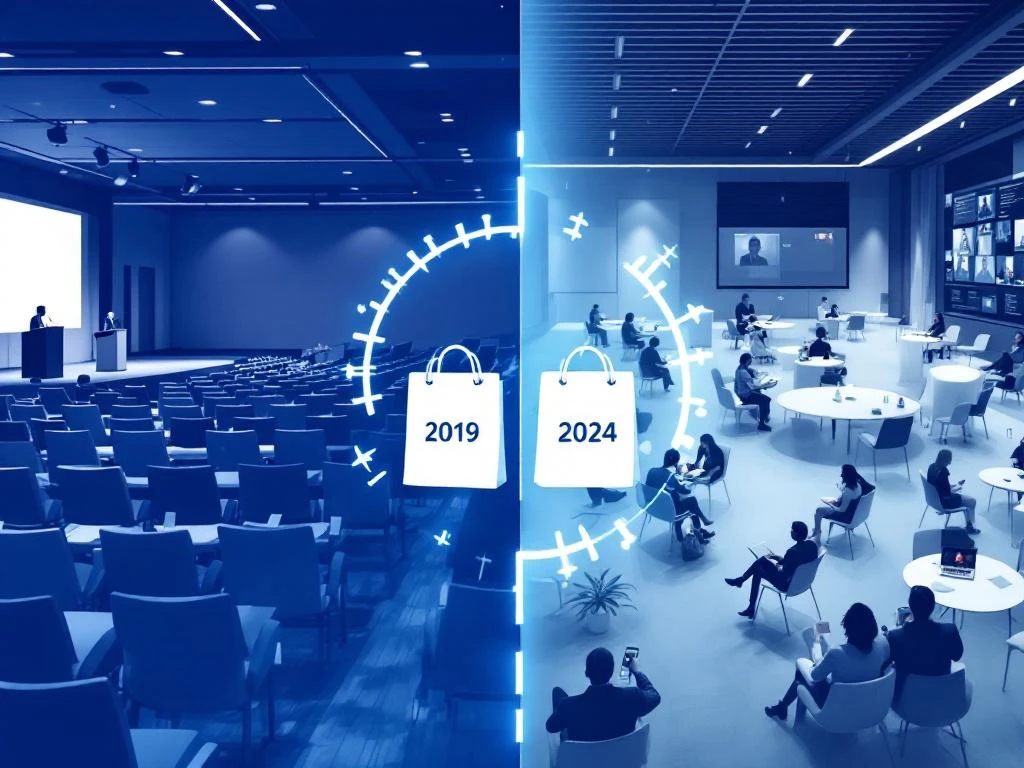
The DMC industry’s COVID-19 transformation brought fundamental changes to destination management services across safety protocols, client expectations, and technology adoption. Event planning evolved from traditional in-person gatherings to flexible hybrid formats with enhanced health measures. MICE events after COVID now prioritise safety, technology integration, and adaptable formats that accommodate changing circumstances and client needs.
What exactly changed in the DMC industry after COVID-19?
The pandemic fundamentally reshaped destination management services through comprehensive safety protocols, operational flexibility, and technology-first approaches. DMCs shifted from primarily focusing on logistics and experiences to becoming health and safety experts while maintaining exceptional service standards.
Corporate event transformation included mandatory health screenings, capacity limitations, and enhanced sanitisation procedures. Venue selection criteria expanded beyond location and aesthetics to include ventilation systems, outdoor spaces, and flexible cancellation policies. Event planners developed contingency plans for every gathering, creating multiple scenarios based on changing health guidelines.
The industry also witnessed a surge in local and regional events as international travel restrictions limited global programmes. DMCs diversified their offerings to include smaller, more intimate gatherings while developing expertise in virtual and hybrid event management. This shift required new partnerships with technology providers and training staff in digital event production.
Client communication became more frequent and transparent, with regular updates about health measures and changing regulations. DMCs invested heavily in flexible booking policies and comprehensive insurance coverage to provide peace of mind for anxious clients planning future events.
How did safety protocols reshape event planning and execution?
Safety protocols became the foundation of all event planning decisions, requiring comprehensive health measures to be integrated into every aspect of destination management. Venues needed detailed safety certifications, enhanced cleaning procedures, and contactless service options to meet new industry standards.
Capacity limitations forced creative solutions for maintaining engagement while reducing attendee numbers. Event spaces required reconfiguration to ensure proper distancing, often resulting in larger venues for smaller groups. Catering evolved from buffet-style service to individual portions and contactless delivery methods.
Health screening procedures became standard practice, including temperature checks, health questionnaires, and vaccination verification systems. DMCs developed partnerships with local healthcare providers to ensure rapid testing capabilities and medical support during events.
Sanitisation protocols extended beyond basic cleaning to include frequent disinfection of high-touch surfaces, provision of hand-sanitising stations, and enhanced air filtration systems. These measures required additional staffing, extended setup times, and increased budgets for health and safety compliance.
Why did hybrid events become so popular in destination management?
Hybrid events gained popularity because they offered maximum flexibility and broader accessibility while maintaining in-person connection opportunities. This format allowed organisers to accommodate varying comfort levels and travel restrictions while expanding audience reach beyond geographical limitations.
Technology requirements for hybrid events drove innovation in streaming capabilities, interactive platforms, and audience engagement tools. DMCs partnered with audio-visual specialists to create seamless experiences that connected remote and in-person participants effectively.
Cost-benefit considerations made hybrid formats attractive for budget-conscious clients. Organisations could reduce venue, catering, and accommodation costs while still delivering valuable content and networking opportunities. The format also provided insurance against last-minute cancellations due to health concerns or travel restrictions.
Audience engagement strategies evolved to include interactive polls, virtual networking sessions, and digital collaboration tools. Event planners learned to create programming that worked effectively for both physical and virtual attendees, often requiring different content delivery methods for each audience segment.
What new technologies did DMCs adopt to stay competitive?
DMCs rapidly adopted contactless technologies and digital platforms to meet safety requirements while enhancing guest experiences. Virtual venue tours, mobile check-in systems, and real-time health monitoring became standard offerings in destination management services.
Virtual venue tours using 360-degree cameras and interactive floor plans allowed clients to evaluate spaces remotely. These tools reduced site visit requirements while providing detailed venue information, helping clients make informed decisions without travel.
Contactless check-in systems eliminated traditional registration desks through mobile apps and QR code scanning. Attendees could access event information, networking opportunities, and real-time updates through personalised digital platforms.
Enhanced communication systems included instant messaging capabilities, real-time translation services, and emergency notification systems. These technologies improved coordination between event teams while providing immediate support for attendee needs and concerns.
Real-time health monitoring tools tracked capacity levels, managed social distancing requirements, and provided contact tracing capabilities when necessary. DMCs invested in sophisticated event management platforms that integrated health protocols with traditional event logistics.
How have client expectations evolved since the pandemic?
Client expectations shifted dramatically towards flexibility and transparency in all aspects of event planning. Organisations now prioritise adaptable arrangements, comprehensive health measures, and clear communication over traditional luxury amenities and elaborate productions.
Flexible cancellation policies became non-negotiable requirements rather than nice-to-have options. Clients expect multiple contingency plans, including hybrid alternatives and postponement options without financial penalties. This shift required DMCs to renegotiate supplier contracts and develop more flexible pricing structures.
Transparent communication about health measures, venue protocols, and changing regulations became standard practice. Clients want detailed information about safety procedures, regular updates about local conditions, and immediate notification of any changes affecting their events.
The focus shifted towards meaningful, purposeful events rather than purely social gatherings. Organisations prioritise programmes that deliver clear business outcomes, team building, or educational value. This change influenced venue selection, activity planning, and overall event design approaches.
Sustainability concerns also increased, with clients seeking local suppliers, reduced-waste options, and environmentally responsible practices. The pandemic highlighted the importance of supporting local communities and reducing environmental impact through thoughtful event planning.
How DMC GO adapts to post-pandemic destination management
DMC GO addresses modern destination management challenges through comprehensive safety integration, flexible service delivery, and advanced technology solutions. We provide complete post-pandemic event management that prioritises health, flexibility, and exceptional experiences across all our corporate specialised divisions.
Our post-pandemic destination management services include:
- Comprehensive health and safety protocols integrated into all event planning
- Flexible hybrid event capabilities combining in-person and virtual elements
- Advanced technology solutions including contactless check-in and virtual venue tours
- Adaptable cancellation policies and multiple contingency planning options
- Enhanced communication systems providing real-time updates and transparent information
- Local expertise ensuring compliance with current health regulations and guidelines
Ready to plan your next event with confidence? Contact us to discover how our post-pandemic destination management expertise creates safe, flexible, and memorable experiences tailored to your specific requirements.