
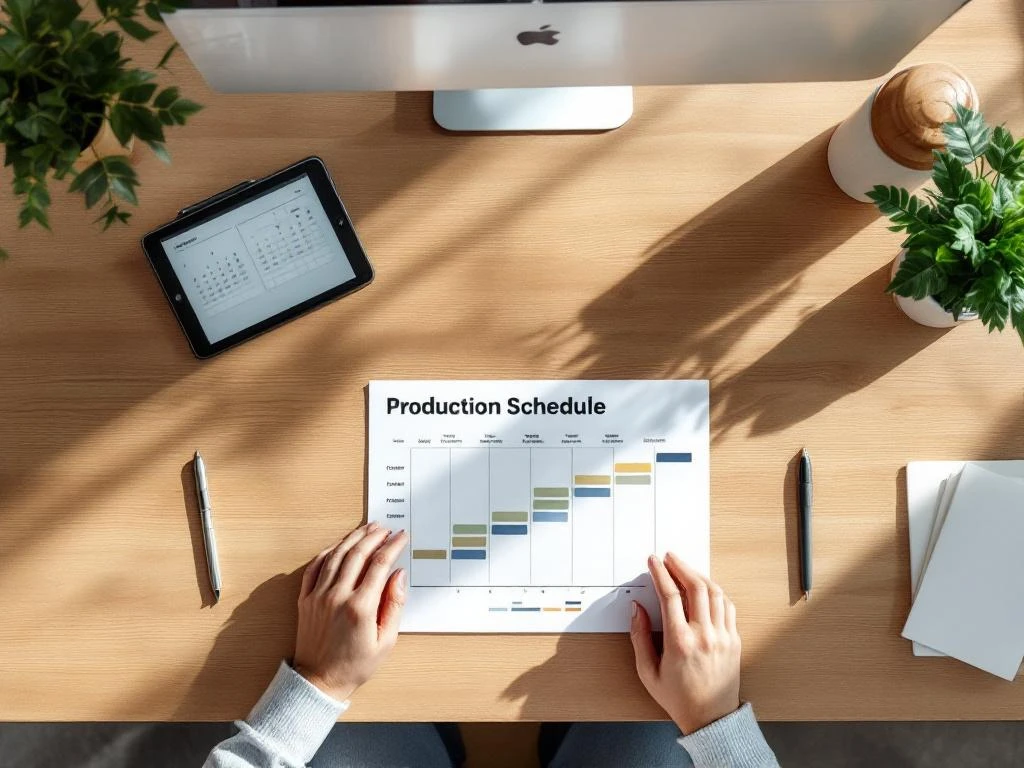
A production schedule is a detailed timeline that outlines all tasks, deadlines, and responsibilities needed to execute an event successfully. It serves as your roadmap from initial planning through post-event wrap-up, coordinating every team member, vendor, and activity. This comprehensive guide covers what to include in your production schedule, how to create one step by step, and which tools make the process easier.
What is a production schedule and why do you need one?
A production schedule is a comprehensive timeline document that maps out every task, deadline, and responsibility required for successful event execution. It coordinates teams, vendors, and activities while providing clear accountability and timing for each element of your event.
Your event production schedule acts as the central communication tool that keeps everyone aligned. It prevents tasks from falling through the cracks and helps identify potential conflicts before they become problems. The schedule typically includes pre-event preparation, day-of activities, vendor coordination, and post-event tasks.
You need a production schedule because events involve multiple moving parts that must work together seamlessly. Without proper coordination, you risk vendor conflicts, missed deadlines, and communication breakdowns. The schedule reduces stress by giving everyone clear expectations about what needs to happen and when.
Benefits include improved team communication, better resource allocation, and reduced risk of errors. Your production timeline template becomes a reference point that helps maintain quality standards while ensuring nothing important gets overlooked during busy planning periods.
What should you include in your production schedule?
Your event management schedule should include pre-event tasks, day-of activities, vendor coordination, technical requirements, staffing assignments, contingency plans, and post-event wrap-up activities. Each section needs specific timelines, responsible parties, and clear deliverables.
Pre-event tasks cover everything from initial venue booking to final confirmations. Include venue walkthroughs, equipment testing, catering arrangements, and guest communications. Set deadlines that allow buffer time for unexpected delays or changes.
Day-of activities need minute-by-minute timing for setup, event flow, and breakdown. Your production planning process should account for:
- Vendor arrival and setup times
- Technical rehearsals and sound checks
- Staff briefings and position assignments
- Guest arrival and registration processes
- Program timing and transitions
- Breakdown and cleanup procedures
Include contact information for all vendors, backup plans for critical elements, and clear communication protocols. Your event production checklist should specify who makes decisions when issues arise and how information flows between team members.
How do you create a production schedule step by step?
Start by working backward from your event date to establish your event planning timeline. Identify all major milestones, then break each one down into specific tasks with deadlines, responsible parties, and dependencies between activities.
Begin with your event date and work backward to determine when each task must be completed. Major milestones typically include venue confirmation, vendor bookings, marketing launch, final headcount, and day-of execution. Allow realistic timeframes for each phase.
Break down each milestone into specific, actionable tasks. Instead of “organize catering,” list “request catering quotes,” “conduct tastings,” “finalize menu,” and “confirm final numbers.” This level of detail prevents important steps from being overlooked.
Assign clear ownership for each task and establish dependencies. Some activities can’t start until others finish, while some can run in parallel. Your how to create a production schedule process should identify these relationships clearly.
Build in buffer time for unexpected delays and create contingency plans for critical elements. Distribute the schedule to all stakeholders and establish regular check-in meetings to track progress and address issues promptly.
What tools and templates make production scheduling easier?
Digital project management tools like Asana, Trello, or Monday.com offer collaborative features that make production timeline template creation and management more efficient. These platforms provide real-time updates, task assignments, and progress-tracking capabilities.
Spreadsheet applications remain popular for production scheduling because they’re familiar and flexible. You can create custom templates that include task lists, timelines, contact information, and budget tracking in one document. Templates can be reused and adapted for different event types.
Specialized event management software provides industry-specific features like floor plan integration, vendor management, and automated reminders. These tools often include pre-built templates for common event types and can generate reports for stakeholders.
When choosing tools, consider collaboration needs, team technical skills, and integration with existing systems. Look for features like:
- Real-time collaboration and updates
- Mobile access for on-site management
- Automated reminders and notifications
- File sharing and document storage
- Reporting and progress tracking
The best tool is one your team will actually use consistently. Simple solutions often work better than complex systems that create additional administrative burden.
How DMC GO helps with production scheduling
We bring over 35 years of experience creating comprehensive event production schedules for corporate events, incentive programs, and international sports events across the Netherlands and globally. Our systematic approach ensures every detail is planned, coordinated, and executed flawlessly.
Our production scheduling expertise includes:
- Detailed timeline development from initial concept through post-event wrap-up
- Vendor coordination and management across multiple suppliers and locations
- Risk assessment and contingency planning for seamless execution
- Real-time schedule management and communication during events
- Post-event evaluation and schedule refinement for future improvements
Whether you’re planning a high-profile conference in Amsterdam, an incentive program in the Maldives, or sports hospitality at Zandvoort, we handle every aspect of production scheduling. Our three specialized divisions – GO Corporate, GO Incentive, and GO Sports – bring focused expertise to your specific event type while maintaining our commitment to precision and excellence.
Ready to ensure your next event runs like clockwork? Contact DMC GO today to discuss how our production scheduling expertise can make your event planning process smoother and your execution flawless.