
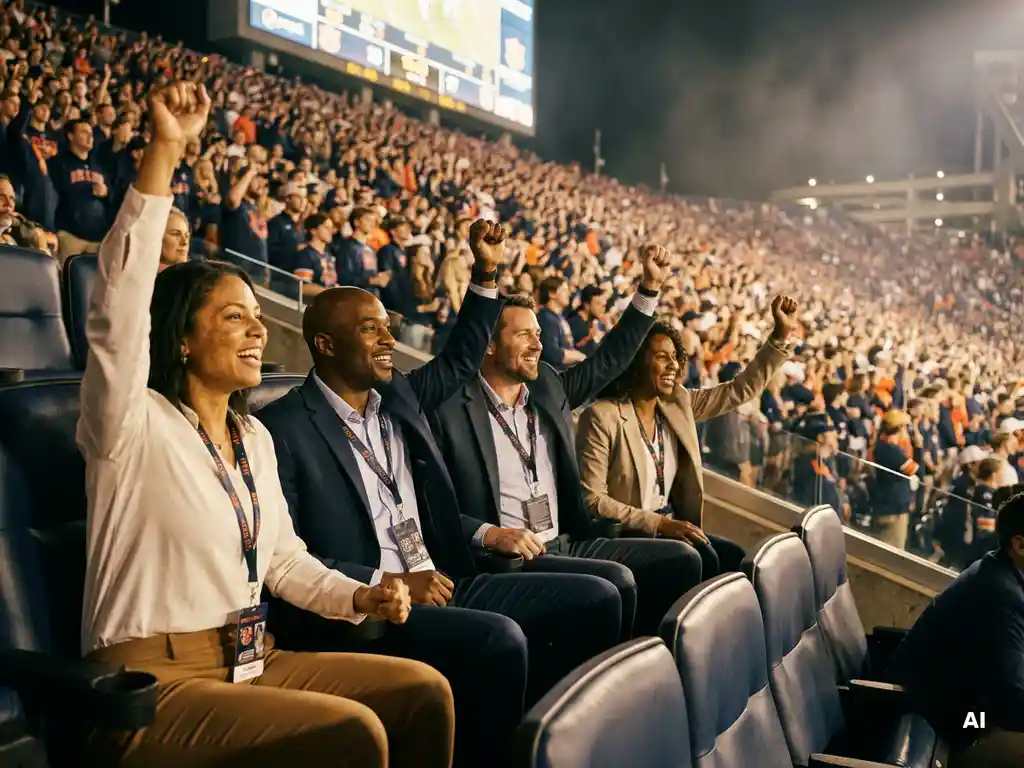
Sports event employee rewards create powerful motivation through shared experiences, team bonding, and memorable achievements that traditional incentives cannot match. These corporate sports incentives generate lasting emotional connections while building stronger workplace relationships. Sports-based reward programs offer unique advantages in employee engagement and long-term retention through experiential value.
What makes sports events so effective for employee motivation?
Sports events tap into fundamental psychological drivers that make them exceptionally effective for employee motivation. The combination of excitement, achievement recognition, and shared experiences creates powerful emotional connections that extend far beyond the event itself.
The psychological impact stems from several key factors. Sports naturally trigger competitive instincts and team spirit, fostering collaboration among colleagues in relaxed settings. Unlike monetary rewards that provide temporary satisfaction, sports experiences create lasting memories that employees associate with their workplace for years to come.
Team bonding occurs organically during sports events as employees interact outside their usual work roles. Whether cheering together at a Formula 1 race or participating in team challenges, these shared moments build trust and communication that translate into improved workplace dynamics.
Achievement recognition becomes more meaningful when celebrated through exciting experiences. Employees feel genuinely valued when companies invest in memorable rewards rather than standard bonuses. The public nature of sports events also provides social recognition, amplifying the motivational impact.
What types of sports events work best for corporate rewards?
VIP spectator experiences consistently deliver the highest impact for corporate sports rewards. Premium events like Wimbledon, UEFA Champions League matches, or Formula 1 races provide exclusive access that employees cannot easily obtain independently, making these rewards feel genuinely special.
For smaller companies or tighter budgets, local sporting events with hospitality packages offer excellent value. Regional football matches, tennis tournaments, or motorsport events provide excitement without international travel costs. These events still create team bonding opportunities while remaining accessible.
Participatory sports experiences work particularly well for active teams. Golf tournaments, sailing experiences, or adventure sports challenges allow employees to engage directly rather than simply observe. These interactive formats often generate stronger team connections through shared challenges.
Multi-day sporting experiences combine spectator events with destination travel. Olympic hospitality packages or major tournament weekends provide extended bonding time away from work pressures. These comprehensive experiences deliver maximum impact for significant achievements or milestone celebrations.
How do sports events compare to traditional employee rewards?
Sports events significantly outperform traditional rewards in engagement levels and memory retention. While cash bonuses or gift cards provide immediate gratification, sports experiences create emotional connections that employees remember and discuss for years, extending the motivational impact far beyond the initial reward.
Engagement levels reach much higher peaks with sports rewards because they involve multiple senses and social interaction. Employees actively participate in the experience rather than passively receiving monetary compensation. This active engagement creates stronger associations between the reward and workplace appreciation.
Team-building impact represents the most significant advantage of sports events over conventional rewards. Traditional incentives typically benefit individuals in isolation, whereas sports experiences bring teams together in shared excitement. These collective memories strengthen workplace relationships and improve collaboration.
Long-term motivational effects prove more substantial with experiential rewards. Employees often share stories and photos from sports events months later, reinforcing positive feelings about their employer. This ongoing reinforcement maintains motivation levels far longer than traditional monetary rewards.
The perceived value of sports events often exceeds their actual cost compared to equivalent cash rewards. Exclusive access to premium sporting events feels more valuable to recipients than the monetary equivalent, maximising the impact of reward budgets.
What should companies consider when planning sports reward events?
Budget planning requires balancing cost per employee with event exclusivity and impact. Premium events like major finals command higher prices but deliver proportionally greater perceived value. Companies should evaluate whether fewer employees at exclusive events or larger groups at accessible events better serve their objectives.
Venue selection must consider accessibility for all team members, including those with mobility requirements. Modern sporting venues typically provide excellent accessibility, but companies should verify facilities and arrange appropriate seating or viewing areas to ensure inclusive experiences.
Timing coordination involves managing both sporting calendars and business schedules. Popular events require advance booking, whereas peak business periods may limit employee availability. Planning 6–12 months ahead ensures better event selection and employee participation.
Group size management affects both cost and experience quality. Smaller groups enable more personalised experiences and better networking opportunities, whereas larger groups may qualify for group discounts and create more atmosphere. Consider splitting large teams across multiple events or venues.
Inclusive experience design accommodates diverse employee interests and physical abilities. Not everyone enjoys the same sports, so offering a choice of different events or including non-sporting elements such as cultural experiences ensures broader appeal and participation.
How do you measure the success of sports-based employee rewards?
Employee feedback surveys immediately following sports events capture initial reactions and satisfaction levels. Focus on experience quality, perceived value, and likelihood of recommending similar rewards. These immediate responses provide valuable insights for future event planning and budget allocation.
Engagement metrics track longer-term impact through workplace behaviour changes. Monitor collaboration levels, cross-departmental communication, and team project success rates in the months following sports rewards. Improved teamwork often correlates directly with shared experiential rewards.
Retention rates provide concrete evidence of reward program effectiveness. Compare retention statistics for employees who participated in sports rewards with those who received traditional incentives. Experiential rewards typically show a stronger correlation with employee loyalty and reduced turnover.
Team dynamics assessment evaluates relationship improvements and workplace culture changes. Observe meeting participation, informal collaboration, and overall team morale. Sports events often break down hierarchical barriers and improve communication across organisational levels.
Return on investment calculations compare program costs with retention savings, productivity improvements, and recruitment cost reductions. Factor in the extended motivational period of sports rewards versus the shorter impact of traditional incentives when evaluating overall program value.
How we help with sports-based employee reward programs
Our GO DMC Sports division specialises in creating exceptional sports reward experiences that motivate teams and strengthen workplace relationships. We handle every aspect of sports-based employee programs, from exclusive event access to comprehensive logistics management.
Our comprehensive sports reward services include:
- Premium event access – VIP packages for Formula 1, Wimbledon, the UEFA Champions League, and the Olympic Games
- Venue partnerships – Established relationships with major sporting venues across Europe
- Complete logistics – Transportation, accommodation, dining, and hospitality coordination
- Customised experiences – Tailored programs matching company culture and employee preferences
- Group management – Professional coordination for groups from 10 to 500+ employees
- Budget optimisation – Maximum-impact solutions across all investment levels
With over three decades of sports event expertise, we transform standard corporate rewards into unforgettable experiences that deliver lasting motivational impact. Our team manages every detail, allowing you to focus on celebrating your team’s achievements while we ensure flawless execution.
Contact us today to discover how sports-based employee rewards can strengthen your team dynamics and enhance workplace motivation through professionally managed sporting experiences.