
Corporate retreats bring teams together in inspiring environments, but they also place participants outside their familiar surroundings, where medical emergencies can occur unexpectedly. From minor injuries during team-building activities to serious health incidents requiring immediate intervention, proper emergency medical planning ensures participant safety and event continuity. Understanding how to prepare for, prevent, and respond to medical emergencies during corporate retreats is essential for event organizers who prioritize attendee well-being.
Effective medical emergency management combines proactive planning, proper equipment, trained personnel, and clear response protocols. Whether organizing an executive retreat in Amsterdam’s business district or a team-building experience in the Veluwe nature region, comprehensive medical preparedness protects participants while maintaining the professional atmosphere that makes corporate retreats successful.
What constitutes a medical emergency during corporate retreats?
A medical emergency during corporate retreats is any sudden health incident requiring immediate medical attention to prevent serious injury, disability, or death. These situations demand prompt professional intervention and may include heart attacks, strokes, severe allergic reactions, traumatic injuries from activities, diabetic emergencies, or breathing difficulties.
Medical emergencies at corporate retreats often fall into several categories. Cardiovascular events, such as heart attacks or chest pain, can occur due to stress, physical exertion, or underlying conditions. Traumatic injuries can result from team-building activities, sports, or accidents during venue transfers. Severe allergic reactions may develop from unfamiliar foods, environmental factors, or activity-related exposures.
Respiratory emergencies, including asthma attacks or choking incidents, require immediate response, particularly during meals or physical activities. Mental health crises, while less visible, constitute genuine emergencies when participants experience severe anxiety, panic attacks, or other psychological distress that impairs their safety or well-being.
How do you prepare for medical emergencies before a corporate retreat?
Medical emergency preparation begins with a comprehensive risk assessment, participant health screening, and the establishment of clear emergency protocols before the retreat starts. This includes identifying nearby medical facilities, creating emergency contact systems, and ensuring all staff understand their roles in medical response situations.
Start by collecting basic health information from participants through confidential pre-event questionnaires. Document existing medical conditions, medications, allergies, and emergency contacts. This information helps anticipate potential issues and ensures an appropriate response if emergencies occur.
Research and map local medical resources, including hospitals, urgent care centers, and emergency services near your retreat venue. Establish relationships with local medical providers and confirm response times for emergency services. Create detailed emergency action plans that include evacuation routes, communication protocols, and decision-making hierarchies.
Train key staff members in basic first aid and CPR, ensuring at least one trained responder accompanies each group during activities. Develop communication systems that allow immediate contact with emergency services and participants’ emergency contacts. Professional event organizers understand the importance of integrating medical preparedness into comprehensive retreat planning processes, working with local healthcare providers to ensure seamless emergency response capabilities.
What medical supplies and equipment should be available at retreats?
Essential medical supplies at corporate retreats include comprehensive first aid kits, automated external defibrillators (AEDs), emergency medications, and communication devices for contacting emergency services. The specific equipment needed depends on retreat activities, participant demographics, the remoteness of the location, and proximity to professional medical care.
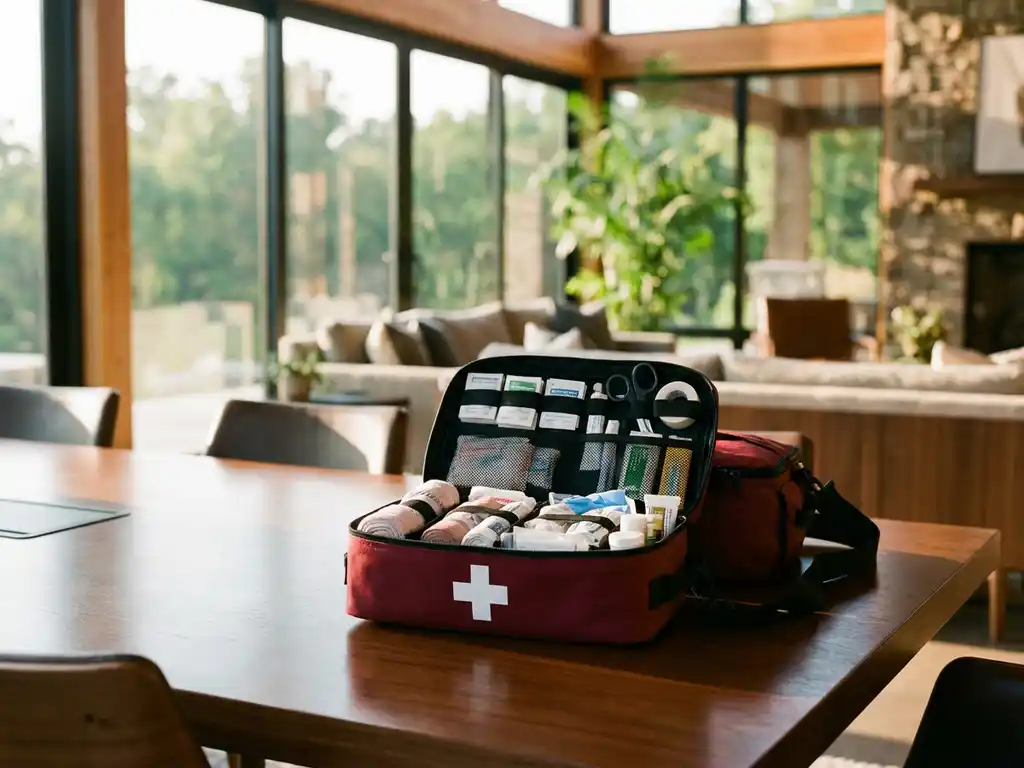
Basic first aid supplies should include bandages, antiseptic wipes, pain relievers, antihistamines, thermometers, and instant cold packs. For outdoor or adventure activities, add items such as elastic bandages, splinting materials, emergency blankets, and water purification tablets.
AEDs are crucial pieces of equipment that can save lives during cardiac emergencies. These devices provide clear voice instructions and can be used by trained non-medical personnel. Position AEDs in central, accessible locations and ensure multiple staff members know where they are located.
Emergency communication equipment includes satellite phones or GPS beacons for remote locations where cell service is unreliable. Maintain emergency medication supplies, including epinephrine auto-injectors for severe allergic reactions, inhalers for respiratory emergencies, and glucose tablets for diabetic incidents. Always store medications according to manufacturer instructions and check expiration dates regularly.
How do you respond immediately when a medical emergency occurs?
Immediate medical emergency response follows the assess-alert-assist protocol: quickly assess the situation and the victim, alert emergency services and retreat leadership, then provide appropriate assistance until professional help arrives. The first few minutes are critical for positive outcomes in serious medical emergencies.
Begin by ensuring the scene is safe for yourself and others before approaching the victim. Check for responsiveness and breathing, then call emergency services immediately if the situation appears serious. Provide clear location information, describe the emergency, and follow dispatcher instructions.
Simultaneously alert retreat leadership and activate your emergency action plan. Designate someone to meet emergency responders and guide them to the location. Clear the area of unnecessary people while maintaining privacy and dignity for the affected participant.
Provide appropriate first aid based on your training level and available equipment. This might include CPR, AED use, bleeding control, or simply keeping the person calm and comfortable. Never attempt medical procedures beyond your training. Document the incident details for follow-up care and insurance purposes.
Communicate with the participant’s emergency contacts as appropriate, balancing medical privacy with necessary information sharing. Prepare for potential event modifications or evacuations depending on the severity and location of the emergency.
When should you have professional medical staff at corporate retreats?
Professional medical staff should be present at corporate retreats when participant numbers exceed 100 people, activities involve significant physical risk, attendees have known serious medical conditions, or the retreat location is remote from emergency medical services. High-profile events, or those with elderly participants, also benefit from on-site medical professionals.
Consider the retreat’s risk profile when deciding on medical staffing. Adventure activities such as rock climbing, water sports, or wilderness experiences warrant professional medical presence due to the potential for injury. Multi-day retreats in remote locations require medical professionals because emergency response times may be extended.
Participant demographics influence medical staffing decisions. Groups with older executives, participants with known cardiac conditions, or international attendees unfamiliar with local medical systems benefit from on-site medical support. Large corporate events create a statistical likelihood that medical emergencies will occur.
Professional medical staff can include registered nurses, paramedics, or physicians, depending on risk levels and budget considerations. These professionals provide immediate expert care, make critical decisions about emergency transport, and offer peace of mind for participants and organizers. They can also provide preventive care, such as blood pressure monitoring or medication management, during extended retreats.
The investment in professional medical staff often proves worthwhile when considering potential liability, participant safety, and event continuity. Medical emergencies handled professionally on-site often prevent more serious complications and allow retreats to continue with minimal disruption.
How DMC GO helps with medical emergency management at corporate retreats
DMC GO provides comprehensive medical emergency management solutions for corporate retreats, ensuring participant safety through professional planning and expert local partnerships. Our approach to medical preparedness includes:
- Pre-event health screening and risk assessment coordination
- Partnership with certified medical professionals and local healthcare facilities
- On-site medical staff coordination for high-risk or large-scale events
- Emergency equipment provision and strategic placement
- 24/7 emergency response coordination and communication
Our experienced team works closely with local medical providers to create seamless emergency response protocols tailored to your specific retreat needs. From incentive programs requiring adventure activity medical support to executive retreats needing discreet professional medical presence, we ensure comprehensive safety coverage. Contact DMC GO today to discuss how our medical emergency management services can protect your participants and ensure your corporate retreat’s success.