
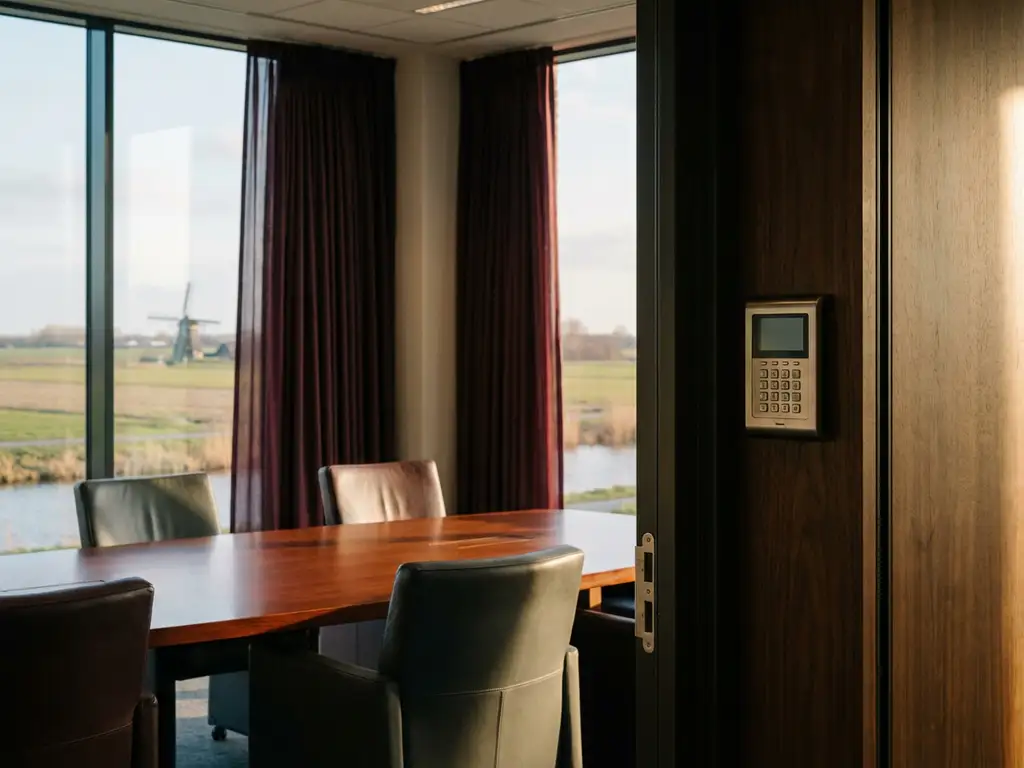
Executive retreats demand the highest levels of security and privacy protection to safeguard sensitive business discussions, strategic planning sessions, and confidential corporate information. When planning these critical gatherings, the venue’s security infrastructure becomes just as important as its meeting facilities and amenities.
Professional event planners must navigate complex security requirements while ensuring the retreat environment remains conducive to open dialogue and strategic thinking. The right security measures protect both physical safety and information confidentiality without creating an atmosphere that stifles productive collaboration.
What security measures should executive retreat venues have in place?
Executive retreat venues should implement comprehensive physical security, including controlled access systems, 24/7 professional security personnel, surveillance monitoring, secure perimeters, and dedicated communication systems. These foundational elements create multiple layers of protection for high-profile corporate gatherings.
Physical access control represents the first line of defense. Quality venues maintain restricted entry points with keycard or biometric systems, visitor registration protocols, and escort requirements for unauthorized personnel. Security staff should be professionally trained, background-checked, and familiar with corporate event protocols rather than basic hospitality security.
Surveillance systems must cover all common areas, entry points, and meeting spaces while respecting privacy expectations. Modern venues integrate discreet camera placement with real-time monitoring capabilities. Perimeter security includes secure parking areas, controlled vehicle access, and clear sightlines around the property.
Communication infrastructure should include secure Wi-Fi networks, cellular signal management capabilities, and emergency communication systems. Some venues offer signal-blocking or jamming capabilities for highly sensitive discussions, though this requires careful coordination with attendees’ communication needs.
How do you assess venue privacy protection before booking?
Privacy assessment begins with evaluating the venue’s physical layout, soundproofing capabilities, visual privacy measures, and information-handling protocols. Request detailed floor plans, conduct site visits during operating hours, and review the venue’s confidentiality policies and staff training procedures.
Sound isolation is critical for confidential discussions. Test meeting rooms for sound bleed between spaces, evaluate wall construction quality, and verify that HVAC systems don’t carry conversations between rooms. Quality venues invest in professional soundproofing materials and acoustic design.
Visual privacy requires assessing window treatments, room positioning relative to public areas, and sightlines from adjacent spaces. Meeting rooms should offer complete visual isolation when needed, with options for natural light control without compromising confidentiality.
Information-handling protocols deserve careful scrutiny. Review the venue’s policies on staff access to meeting materials, document disposal procedures, and technology support protocols. Understand who has access to meeting spaces during setup, breaks, and cleanup.
What’s the difference between standard venue security and executive-level protection?
Executive-level protection provides enhanced threat assessment, specialized personnel training, advanced technology integration, and customized security protocols tailored to corporate leadership needs. Standard venue security focuses on general safety and basic access control without the sophisticated risk management required for high-profile business gatherings.
Personnel qualifications differ significantly between security levels. Executive protection teams typically include former law enforcement or military personnel with specialized corporate security training. They understand business confidentiality requirements, threat recognition, and discreet protection methods that don’t disrupt meeting flow.
Technology integration reaches advanced levels for executive events. This includes sophisticated surveillance systems, communication encryption capabilities, signal-detection equipment, and coordinated security monitoring. Some venues offer temporary security upgrades specifically for high-profile corporate events.
Risk assessment becomes more comprehensive for executive gatherings. Security teams evaluate potential threats specific to the attending executives, their companies, and current business circumstances. This proactive approach allows for customized protection measures rather than generic security protocols.
How do you ensure confidential information stays secure during retreats?
Information security requires implementing strict document-handling procedures, secure technology protocols, controlled access to sensitive materials, and comprehensive staff confidentiality agreements. Establish clear guidelines for information sharing, storage, and disposal throughout the retreat.
Document management protocols should cover physical and digital materials. Establish secure distribution methods for meeting materials, implement document-tracking systems, and ensure proper disposal of sensitive papers. Consider providing secure document storage within meeting spaces and controlled printing facilities.
Technology security demands attention to Wi-Fi networks, device policies, and digital communication channels. Request dedicated secure networks for retreat attendees, establish clear policies on personal device use, and consider providing secure communication tools for sensitive discussions.
Staff confidentiality measures extend beyond basic non-disclosure agreements. Verify that all venue personnel interacting with the retreat have appropriate background checks, understand confidentiality requirements, and receive specific briefings on the event’s information-handling protocols.
What should you do if a venue’s security doesn’t meet your requirements?
When venue security falls short, immediately explore security enhancement options, consider alternative venues, or implement supplementary protection measures through specialized security providers. Never compromise on essential security requirements for executive-level corporate events.
Security enhancement discussions with venues often yield positive results. Many quality properties can arrange temporary security upgrades, additional personnel, or modified protocols to meet specific corporate requirements. This might include enhanced access control, additional surveillance, or specialized staff training.
Alternative venue evaluation should begin immediately if security gaps cannot be addressed. Maintain a backup list of vetted venues with appropriate security capabilities. We work with multiple secure venues across the Netherlands, from Amsterdam’s premium conference centers to Utrecht’s discreet executive retreat locations, ensuring backup options remain available.
Supplementary security services provide another solution. Professional corporate security firms can augment venue capabilities with additional personnel, specialized equipment, or enhanced protocols. This approach allows you to maintain preferred venue relationships while achieving required security standards.
Investing in proper security and privacy measures protects far more than the retreat itself. It safeguards corporate reputation, preserves competitive advantages, and ensures strategic discussions can take place in an environment of complete confidence and discretion.
How DMC GO helps with executive retreat security and privacy
DMC GO provides comprehensive security solutions for executive retreats through our carefully vetted network of secure venues and specialized security partnerships. Our approach ensures your corporate gatherings maintain the highest levels of protection and confidentiality:
• Pre-screened secure venues with verified security infrastructure and privacy protocols
• Coordination with professional security firms for enhanced protection when needed
• Detailed security assessments and customized protection plans for each event
• Confidential event planning with strict information-handling procedures
• 24/7 support during retreats to address any security concerns immediately
Ready to plan your next executive retreat with complete security confidence? Contact our team to discuss your specific requirements and discover how we can create a secure, productive environment for your most important corporate gatherings.