
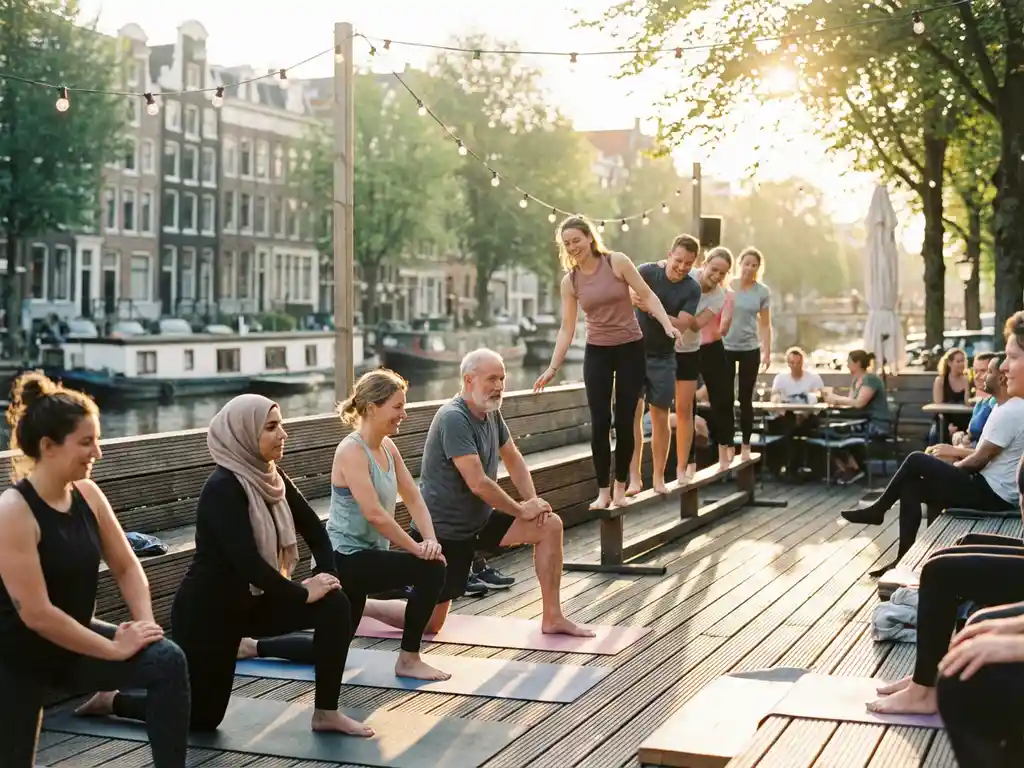
Planning incentive travel activities for groups with diverse fitness levels requires thoughtful consideration and strategic design. The key is to create inclusive experiences that allow every participant to engage meaningfully while ensuring that no one feels excluded or overwhelmed by physical demands.
Successful incentive programs balance challenge with accessibility, offering multiple ways for team members to participate and contribute. This approach not only maximizes participation but also strengthens team bonds by demonstrating that each individual’s comfort and capabilities are valued.
What factors should you consider when assessing participant fitness levels?
When assessing participant fitness levels, consider age demographics, existing health conditions, mobility limitations, and prior activity experience. Send pre-event surveys that ask about physical restrictions, preferred activity intensity, and any accommodations needed.
Beyond basic health information, evaluate the group’s professional roles and typical activity levels. Office-based teams may have different fitness baselines than field workers or manual laborers. Consider cultural backgrounds, as comfort with physical activities varies significantly across cultures and individual preferences.
Time constraints also matter. A three-day incentive program allows for more varied activities than a single-day event. Weather conditions and seasonal factors at your destination will influence both activity options and participant comfort throughout the program.
How do you design activities that include everyone regardless of fitness level?
Design inclusive activities by offering multiple participation levels within the same experience, such as hiking trails with different difficulty options or team challenges with varied physical and mental components. Create parallel activities that achieve the same team-building goals through different approaches.
Structure activities with natural opt-out points where participants can choose their level of involvement without feeling excluded. For example, a treasure hunt might include both walking and stationary puzzle-solving stations, allowing team members to contribute based on their strengths and comfort levels.
Consider timing and pacing carefully. Build rest periods into physical activities and provide comfortable seating or shaded areas. Offer transportation options for longer distances, ensuring that mobility differences don’t prevent participation in destination experiences or venue changes.
What are the best low-impact activities for mixed fitness groups?
The best low-impact activities for mixed fitness groups include guided walking tours, boat excursions, cultural workshops, wine tastings, cooking classes, and scenic transportation experiences such as canal cruises or historic tram rides. These activities engage participants without requiring significant physical exertion.
Interactive experiences work exceptionally well for diverse groups. Art workshops, photography challenges, or local craft demonstrations allow everyone to participate actively while seated comfortably. Food and beverage experiences, from market tours to progressive dining, create shared memories without physical barriers.
Technology-enhanced activities such as GPS-based exploration games or augmented reality experiences can accommodate different mobility levels while maintaining engagement. Participants can work in teams where some handle navigation while others focus on problem-solving or documentation.
How do you modify physical activities to accommodate different abilities?
Modify physical activities by creating tiered participation options, providing adaptive equipment, adjusting distances and durations, and establishing support roles within team challenges. Offer alternative ways to contribute that don’t require the same physical demands as the primary activity.
For adventure activities, establish different routes or checkpoints. During team sports, create mixed-ability teams with rotating positions that emphasize different skills. On cycling tours, provide e-bikes alongside traditional bicycles, or offer van support for participants who need breaks.
Communication is essential when modifying activities. Brief all participants on the available options beforehand, emphasizing that different participation levels are not only acceptable but valuable to team success. Train activity leaders to facilitate seamlessly across ability levels without drawing unwanted attention to individual limitations.
What mistakes should you avoid when planning for diverse fitness levels?
Avoid assuming fitness levels based on age or appearance, failing to gather participant information in advance, and creating activities in which only the most physically capable can fully participate. Don’t make modifications feel like consolation prizes or lesser experiences.
Never surprise participants with unexpected physical demands, and don’t fail to communicate activity requirements clearly during the planning phase. Avoid scheduling intense physical activities immediately after long travel days or heavy meals, as this can create unnecessary discomfort for all participants.
Resist the temptation to eliminate all physical activities entirely. Many participants enjoy moderate physical challenges and appreciate well-planned active experiences. The goal is thoughtful inclusion, not complete avoidance of engaging activities that may require some physical participation.
How DMC GO helps with inclusive incentive travel planning
DMC GO specializes in creating corporate incentive experiences that accommodate diverse fitness levels without compromising on engagement or team-building value. Our comprehensive approach includes:
• Pre-program participant assessments to understand individual needs and preferences
• Multi-tiered activity design that offers various participation levels within the same experience
• Adaptive equipment and support services to ensure accessibility for all team members
• Expert local guides trained in inclusive group facilitation
• Seamless logistics coordination that accounts for mobility differences and pacing requirements
Our experienced team understands that successful group experiences require careful attention to participant diversity. We work closely with clients to design programs that celebrate achievements while ensuring that every team member can participate meaningfully, creating lasting memories that strengthen teams rather than divide them. Contact our specialists today to discuss how we can create an inclusive incentive program tailored to your team’s unique needs and discover our commitment to exceptional group experiences.