
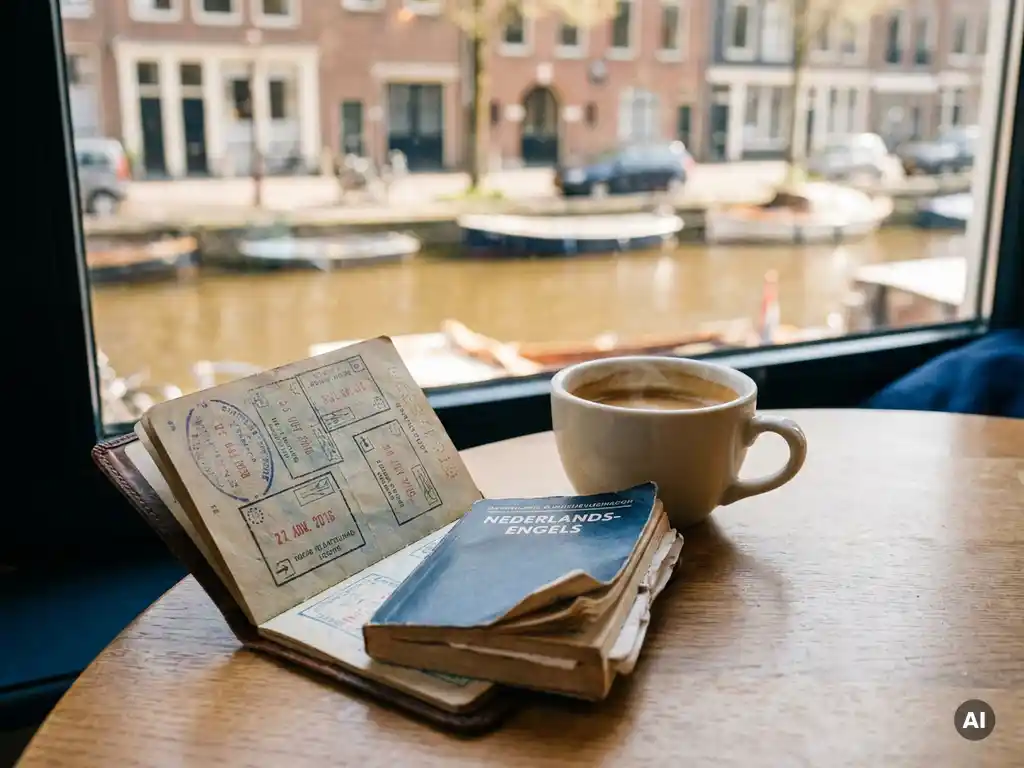
Traveling internationally opens the door to incredible experiences, but language barriers can turn exciting adventures into stressful challenges. Whether you’re navigating a business meeting in Tokyo, ordering dinner in Barcelona, or asking for directions in Amsterdam, communication difficulties affect millions of travelers worldwide. The good news is that with proper preparation and the right strategies, these obstacles become manageable stepping stones to more meaningful cultural connections.
Understanding how to overcome language barriers isn’t just about convenience—it’s about safety, building relationships, and making the most of your international experiences. From leveraging modern technology to learning essential phrases, successful international travelers develop a toolkit of communication strategies that work across cultures and situations.
What are the most common language barriers travelers face abroad?
The most common language barriers international travelers encounter include communicating basic needs, understanding local customs and etiquette, navigating transportation systems, handling emergency situations, and conducting business or professional interactions in non-native languages.
Beyond simple vocabulary differences, travelers often struggle with regional dialects, cultural context that shapes communication styles, and nonverbal cues that vary significantly between cultures. In restaurants, travelers frequently face challenges reading menus, understanding ingredients, or communicating dietary restrictions. Transportation hubs present their own unique challenges, from deciphering train schedules to understanding announcements or asking for directions to specific destinations.
Emergency situations create the highest stakes for language barriers. Medical emergencies, lost documents, or safety concerns require precise communication when stress levels are already elevated. Business travelers face additional complexity when technical terminology, cultural communication norms, and professional etiquette intersect with language differences, potentially affecting important negotiations or presentations.
How can technology help overcome language barriers while traveling?
Modern technology offers powerful solutions to language barriers through real-time translation apps, voice translators, offline language tools, and visual translation features that can instantly translate text from images, signs, and menus using smartphone cameras.
Translation apps like Google Translate, Microsoft Translator, and iTranslate have revolutionized international communication. These tools offer conversation modes in which two people can speak into the same device and receive translations in real time. Voice translation technology has become remarkably accurate for common phrases and everyday conversations, while camera translation features can instantly translate street signs, restaurant menus, and important documents.
Offline capabilities ensure these tools work even without an internet connection, which is crucial for travelers in remote areas or those avoiding international data charges. Specialized travel apps often include curated phrase collections for specific situations, such as dining, shopping, or seeking medical help. Wearable translation devices and earbuds that provide real-time translation are emerging as hands-free solutions for more natural conversations.
What should you prepare before traveling to a non-English-speaking country?
Essential preparation for non-English-speaking destinations includes learning basic courtesy phrases, downloading offline translation apps, researching cultural communication norms, preparing important documents in the local language, and identifying key phrases for emergencies, transportation, and accommodation needs.
Start with fundamental courtesy expressions: hello, please, thank you, excuse me, and goodbye. These simple phrases demonstrate respect and often encourage locals to be more patient and helpful. Learn numbers, basic directions, and essential questions like “Where is…” or “How much does this cost?” Practice pronunciation using language-learning apps or online resources to build confidence.
Document preparation proves invaluable during travel. Have your hotel address, important phone numbers, and medical information translated and written down clearly. Research local emergency numbers and basic phrases for seeking help. Understanding cultural communication styles helps avoid misunderstandings—some cultures value direct communication, while others prefer indirect approaches.
Create a physical backup plan with written translations of crucial information. Technology can fail, batteries can die, and internet connections can disappear, making old-fashioned preparation your safety net for successful international communication.
How do destination management companies handle language barriers for international groups?
Professional destination management companies address language barriers through multilingual staff, local expert guides, pre-trip communication planning, cultural orientation sessions, and comprehensive support systems that ensure seamless communication throughout international programs and events.
Experienced destination management providers maintain teams of multilingual professionals who serve as cultural bridges between international guests and local experiences. These specialists understand both linguistic nuances and the cultural contexts that affect communication effectiveness. Local guides receive training not just in language skills but also in cross-cultural communication techniques that help international groups feel comfortable and engaged.
Pre-event planning includes detailed discussions about language needs, preferred communication styles, and potential cultural sensitivities. Professional companies prepare translated materials, coordinate with venues on language requirements, and establish clear communication protocols for different scenarios. They often provide cultural orientation sessions that help international groups understand local customs and communication norms.
How GO DMC Helps with Language Barriers
At GO DMC, we eliminate language barriers for international groups through our multilingual team and comprehensive destination management approach. With over 35 years of experience managing international events across the Netherlands, we understand that seamless communication is fundamental to successful corporate programs and incentive experiences.
Our services include:
- Multilingual staff fluent in Dutch, English, German, and other European languages
- Cultural orientation sessions for international groups arriving in the Netherlands
- Professional interpretation services for business meetings and conferences
- Pre-translated materials and itineraries in participants’ native languages
- Local expert guides who bridge cultural and linguistic gaps during experiences
- 24/7 multilingual support throughout your program
Whether you’re planning a corporate conference in Amsterdam, an incentive program in Rotterdam, or a team-building experience in The Hague, our expertise ensures that language never becomes a barrier to your success. Contact our team to discuss how we can create seamless international experiences that connect cultures and deliver exceptional results for your organization.