
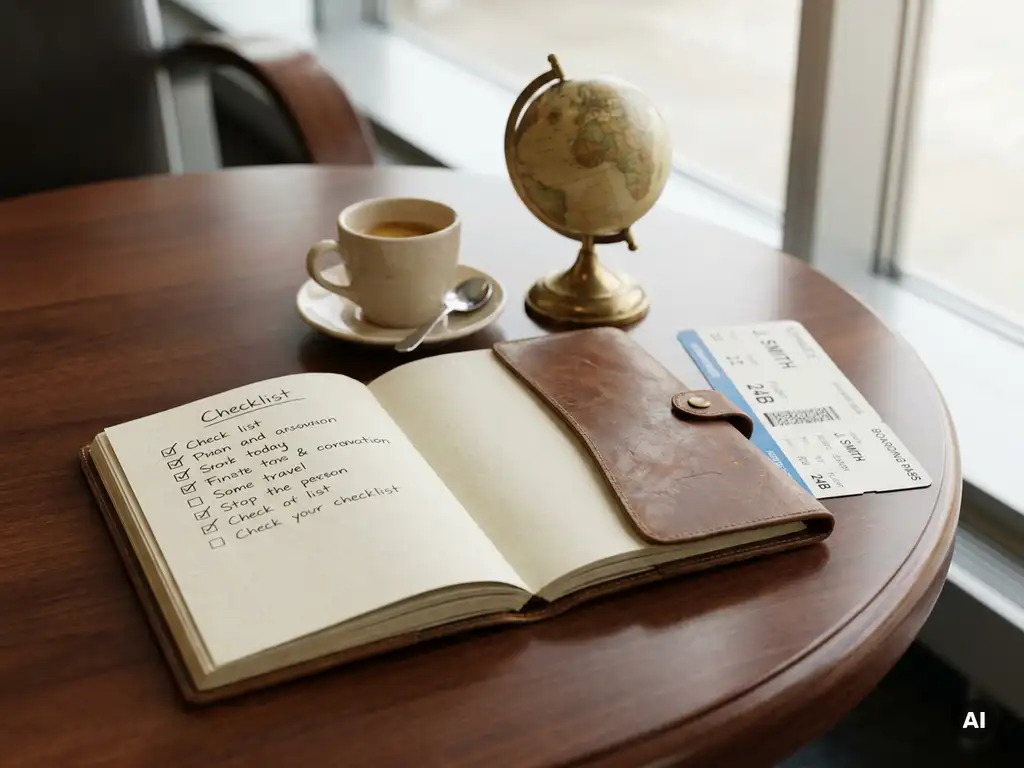
Planning an international event is one of the most rewarding challenges in the events industry, and also one of the most complex. Whether you are organizing a multi-day conference in Amsterdam, an incentive trip to the Mediterranean, or a large-scale MICE event across multiple European cities, the margin for error is thin. A well-structured international event coordination checklist is not a luxury. It is the backbone of every successful event that runs on time, on budget, and without surprises.
The difference between a flawless international event and a costly failure often comes down to preparation. The checklist items below cover the most critical areas of international event planning, from destination selection to real-time contingency protocols. Use them as your foundation before a single flight is booked or a single venue is confirmed.
What separates flawless international events from costly failures
International events introduce layers of complexity that domestic events simply do not face. You are coordinating across time zones, languages, legal jurisdictions, currencies, and cultural expectations, all at once. When one element slips, the ripple effect can be significant. The events that succeed are not necessarily the ones with the biggest budgets. They are the ones that plan meticulously and anticipate risk before it becomes a problem.
A structured corporate event checklist tailored to international contexts gives your team a shared reference point. It aligns stakeholders, reduces miscommunication, and ensures nothing critical falls through the gaps during the months of preparation that precede event day.
1: Lock in your destination and venue requirements early
Destination and venue selection are the anchors of your entire event. Every other decision, from catering to transportation to accommodation, flows from this choice. The earlier you confirm your destination, the more negotiating power you have and the more options remain open to you.
When evaluating destinations, go beyond aesthetics. Consider delegate accessibility, visa requirements for your attendees’ nationalities, local infrastructure, and the availability of venues that match your technical and capacity specifications. A venue that looks stunning in photos but lacks adequate AV infrastructure or breakout space can derail a conference before it begins.
Define your non-negotiables in writing before you begin site visits. Capacity, accessibility for delegates with mobility needs, proximity to accommodation, catering flexibility, and on-site technical support should all appear on your destination management checklist before any shortlisting begins.
2: Map out cross-border logistics and transportation
Transportation is where international events most frequently encounter unexpected delays and costs. A comprehensive logistics plan covers every movement: airport transfers, intercity travel, on-site shuttle services, and contingency transport in case of disruption.
For multi-city events or incentive programs involving several destinations, your logistics map needs to account for border crossings, customs requirements for event materials, and local traffic patterns that can vary significantly by city or season. Build buffer time into every transfer, particularly for VIP delegates or keynote speakers whose schedules cannot absorb delays.
Coordinate with local ground transport providers well in advance and confirm vehicle capacity, accessibility features, and driver language capabilities. Logistics that feel seamless to delegates require significant behind-the-scenes coordination that should begin months, not weeks, before the event.
3: Build a compliance and legal requirements checklist
Legal compliance is one of the most overlooked areas in international event planning, and one of the most consequential. Different countries have different rules governing data privacy, public gatherings, alcohol licensing, the import of promotional materials, and the employment of foreign speakers or entertainers.
Your compliance checklist should include visa and work permit requirements for all staff and speakers, insurance coverage that is valid in the host country, GDPR or equivalent data protection obligations for delegate registration, and any permits required for outdoor elements, signage, or branded activations.
Engage a local legal or compliance advisor early in the planning process, particularly for events in jurisdictions where regulations differ significantly from your home market. The cost of professional guidance is always lower than the cost of a compliance breach on event day.
4: Establish a multi-currency budget and contingency plan
International events involve spending in multiple currencies, and exchange rate fluctuations can meaningfully affect your final costs if you have not planned for them. Build your budget with currency risk in mind from the start.
Structure your budget by destination and currency, and where possible, negotiate contracts in a single agreed currency to reduce exposure. Set aside a contingency reserve, typically a meaningful percentage of your total budget, to absorb unexpected costs without derailing the event. Common contingency triggers include last-minute venue changes, additional delegate numbers, supplier price increases, and emergency logistics.
Review your budget at regular intervals throughout the planning cycle, not just at the beginning and end. A MICE event checklist that includes monthly budget reviews will surface cost overruns early enough to course-correct before they compound.
5: Coordinate with local suppliers and DMC partners
Local suppliers bring knowledge that no amount of remote planning can replicate. They know which caterers consistently deliver quality at scale, which venues have hidden limitations, and which local regulations require special attention. Building strong relationships with trusted local partners is one of the highest-value investments you can make in international event planning.
A destination management company with established local networks can connect you with vetted suppliers across catering, AV, floral design, entertainment, security, and translation services. This reduces the time spent vetting unknown vendors and increases confidence in the quality of every element.
Establish clear contracts with all suppliers that specify deliverables, timelines, payment terms, and cancellation conditions. Verbal agreements and informal understandings are a risk in any market, but particularly so when you are working across cultural and legal contexts where expectations may differ.
6: Plan for cultural and language considerations
Cultural awareness is not a soft consideration. It is a practical one. An event that inadvertently conflicts with a local public holiday, serves food that does not accommodate the dietary requirements of a significant portion of delegates, or uses communication styles that feel unfamiliar or off-putting to an international audience will underperform regardless of how well everything else is executed.
Your cultural planning checklist should address language support (translation, interpretation, multilingual signage), dietary requirements and catering customs, dress code guidance for delegates, local business etiquette for networking sessions, and scheduling that avoids conflicts with significant cultural or religious observances.
For incentive travel programs, cultural immersion is often a feature rather than a consideration. Curating authentic local experiences, from culinary tours to artisan workshops, adds genuine value and creates the lasting memories that motivate teams and reward achievement.
7: Set up a real-time communication and contingency protocol
Even the most meticulously planned international event will encounter unexpected situations. The question is not whether something will go wrong, but how quickly and effectively your team can respond when it does. A real-time communication and contingency protocol is what transforms a potential crisis into a managed situation.
Establish a clear chain of command for decision-making during the event. Every team member should know who to contact for each category of issue, whether that is a supplier failure, a delegate medical emergency, a venue problem, or a transport disruption. Use a shared communication platform that works across devices and time zones, and ensure all key contacts, including local suppliers, venue staff, and transport providers, are accessible within that system.
Document your contingency plans for the most likely risk scenarios before the event begins. What is the backup venue option if the primary location becomes unavailable? What is the protocol if a keynote speaker cannot travel? Having written answers to these questions in advance means your team can act quickly and confidently rather than improvising under pressure.
Use this checklist as your international event foundation
A strong event coordination checklist does not replace experience or creativity. It creates the structure within which both can thrive. When the logistical and compliance foundations are solid, your team has the bandwidth to focus on what makes an event truly memorable: the moments, the connections, and the experiences that delegates carry home with them.
Return to this checklist at each major planning milestone, not just at the start. The best international event planners treat their checklist as a living document, updating it as circumstances evolve and using it to keep every stakeholder aligned from kickoff to debrief.
How GO DMC helps with international event coordination
At GO DMC, we bring over 35 years of hospitality and destination management experience to every event we support. Whether you are planning a high-profile conference, a luxury incentive program, or a complex multi-city MICE event, we provide the local expertise and global standards that transform a good checklist into a flawless event.
Here is what we bring to your international event coordination:
- Destination expertise across the Netherlands and beyond, covering Amsterdam, Rotterdam, The Hague, Utrecht, Maastricht, and international destinations through our trusted global network
- Vetted local supplier relationships across venues, catering, AV, transport, entertainment, and translation services
- End-to-end logistics management, from airport transfers and intercity travel to on-site coordination and contingency planning
- Cultural and compliance guidance tailored to your delegate profile and host destination
- Multi-currency budget management with transparent reporting throughout the planning cycle
- Real-time on-site support from a dedicated team that knows the destination and anticipates problems before they reach you
Our three specialized divisions, GO Corporate, GO Incentive, and GO Sports, each bring focused expertise to their respective event categories. You can learn more about our team and approach, or explore our full range of services. When you are ready to start planning, get in touch with us and we will help you build an international event that runs exactly as it should.