
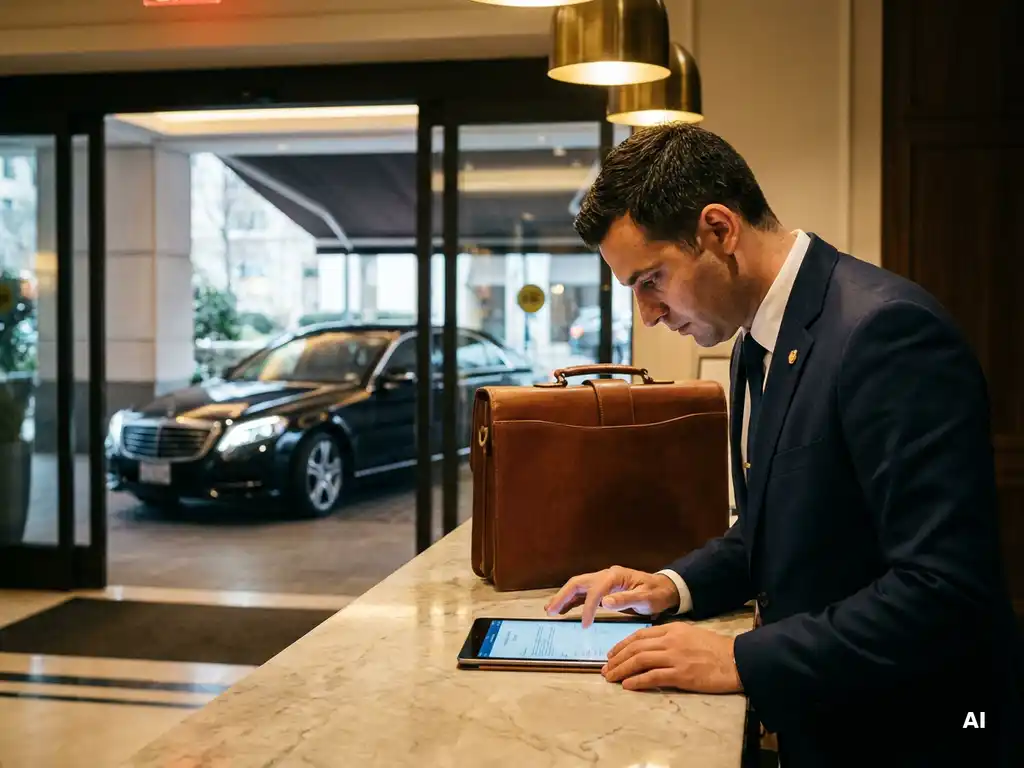
VIP logistics rarely go wrong in predictable ways. A flight gets delayed, a hotel suite becomes unavailable, a ground transfer breaks down minutes before pickup. When these moments happen during a high-profile event, the difference between a seamless recovery and a diplomatic incident often comes down to how well the team behind the scenes is prepared. For anyone working in DMC services or managing corporate events across the Netherlands, last-minute changes to VIP arrangements are not an exception to plan for; they are a reality to plan around.
Whether the event is a board-level executive retreat in Amsterdam, a product launch in Rotterdam, or an incentive dinner in The Hague, VIP guests carry expectations that leave little room for visible disruption. The ability to absorb change quietly and keep the guest experience intact is one of the defining skills of professional destination management. This article walks through the key areas where preparation makes all the difference.
The most common triggers behind last-minute VIP changes
Understanding what typically causes last-minute VIP disruptions allows teams to build contingency thinking into the original plan rather than scrambling to retrofit solutions under pressure.
Travel disruptions top the list. Delayed flights, missed connections, and weather-related cancellations regularly push arrival windows by hours, compressing the entire schedule that follows. Venue-related issues are equally frequent, from a private dining room suddenly unavailable due to a technical fault to a VIP suite that has not been released on time by the previous guest. Beyond logistics, changes in the VIP’s own agenda are common, particularly for senior executives and political figures whose schedules shift based on decisions made in other time zones.
Security requirements can also evolve at short notice. A VIP’s personal security team may request a change in routing, a different entrance, or a modified seating arrangement only hours before an event begins. Health-related requests, dietary updates, and accessibility needs sometimes surface late as well, particularly when information has passed through multiple layers of assistants and coordinators before reaching the event team.
How a clear escalation protocol keeps everything on track
When a VIP situation changes, the most damaging response is hesitation. A clear escalation protocol removes the uncertainty about who decides what and how fast.
An effective protocol identifies a single point of contact for VIP-related decisions during the event. This person has the authority to approve changes without seeking additional sign-off, which eliminates the delays that come from chasing approvals through a chain of command. Everyone on the ground team knows who that person is and how to reach them immediately.
The protocol should also define response time expectations by category. A transport delay might require a decision within five minutes. A venue substitution may allow fifteen. Having those windows defined in advance prevents teams from either overreacting to minor issues or under-responding to serious ones. Escalation tiers should be documented clearly before the event begins, not improvised on the day.
Supplier relationships that make rapid rebooking possible
In destination management, the quality of supplier relationships is often more valuable than the contracts that underpin them. When a VIP situation demands an immediate alternative, a phone call to a trusted partner delivers results that a formal booking process simply cannot match in speed.
Long-standing relationships with hotel groups, private transfer companies, and venue operators across cities like Amsterdam, Utrecht, and Maastricht mean that a request made at short notice is treated as a priority rather than a cold inquiry. These partners understand the nature of high-profile events and are prepared to flex their standard processes when a trusted DMC reaches out.
- Maintain pre-agreed contingency arrangements with key suppliers before each event
- Confirm availability windows for backup options as part of the original planning process
- Establish direct mobile contacts with decision-makers at each supplier, not just general booking lines
- Document alternative options for every critical element: transport, accommodation, catering, and venue
The investment in these relationships happens long before an event takes place. It is built through consistent communication, fair dealing, and a track record of reliable business. That foundation is what makes rapid rebooking possible when it matters most.
On-the-ground coordination during a live VIP event
Managing a live VIP event requires a different mindset than planning one. Once guests have arrived, the priority shifts entirely to real-time awareness and quiet problem-solving.
Ground teams need to be positioned strategically, not clustered in one location. A coordinator at the venue entrance, one near the hospitality suite, and one managing transport flow creates a network of eyes and ears that can detect issues before they reach the guest. Communication between these positions should run on a dedicated channel, separate from general event communications, to ensure VIP-related information moves quickly and without noise.
Discretion is as important as speed. VIP guests should rarely be aware that anything has changed. The goal is to present a seamless experience even when the team behind it is actively managing a substitution or a schedule adjustment. Briefing all team members on what to say, and equally what not to say, is a critical part of pre-event preparation that is often underestimated.
What to communicate, and when, to VIP guests and stakeholders
Transparency and timing are the two variables that determine whether a last-minute change damages trust or reinforces it. Overcommunicating every minor adjustment creates anxiety. Saying nothing until a problem becomes visible creates a worse impression.
The general principle is to communicate upward to stakeholders early and communicate to the VIP guest only when the solution is confirmed. A client or event organizer wants to know that a situation is being handled. The VIP guest wants to know what is happening next, not what went wrong. These are two different conversations that require different timing and different language.
When a change must be communicated directly to a VIP guest, the message should be brief, confident, and solution-focused. Lead with what has been arranged, not with the problem that prompted it. A statement such as “We have arranged a private transfer that will have you at the venue within twenty minutes” lands very differently from “There was an issue with the original car, so we are now using a different option.”
How GO DMC handles last-minute VIP logistics
We have spent over 35 years building the local knowledge, supplier networks, and operational protocols that make last-minute VIP recovery not just possible but reliable. As a leading DMC Netherlands partner, we work with international companies and organizations across Amsterdam, Rotterdam, The Hague, Utrecht, and Maastricht to deliver VIP experiences that hold together under pressure.
- Dedicated VIP coordinators with direct supplier contacts and pre-agreed contingency options
- Clear escalation structures defined before every event, with single-point decision authority
- Real-time ground teams trained in discreet, guest-first communication
When the unexpected happens, our team moves quietly and quickly so that your guests experience nothing but a seamless event. If you are planning a high-profile event in the Netherlands and want a destination management partner who is prepared for every scenario, we would love to talk through your requirements.