
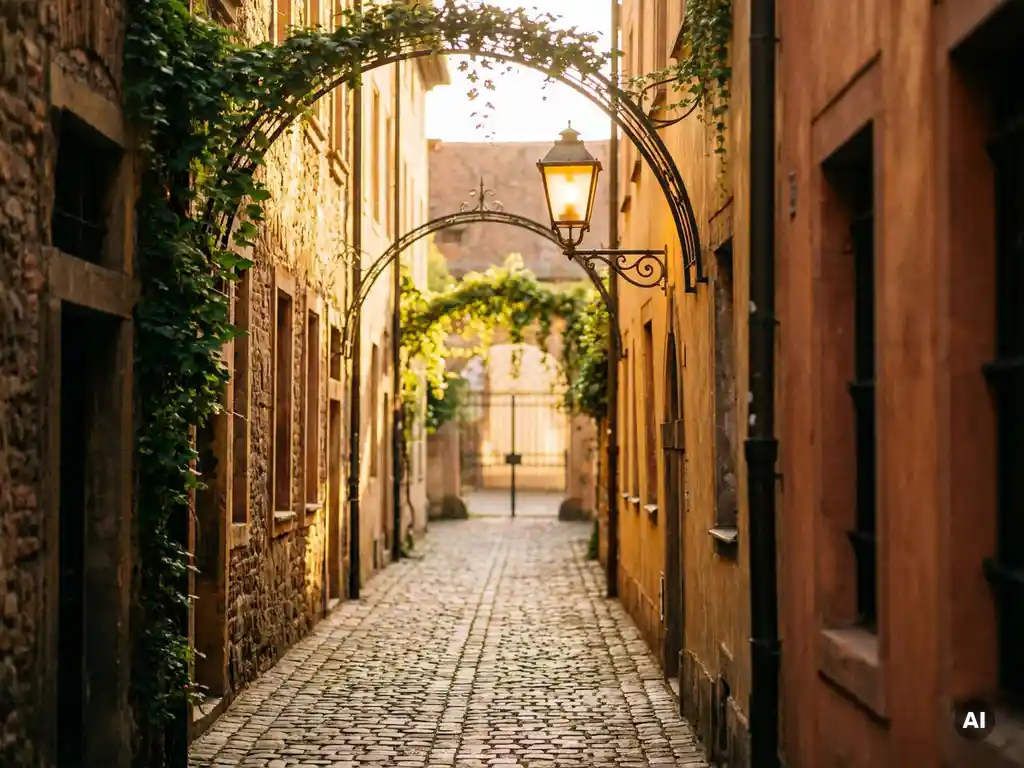
Creating memorable experiences in historic European cities requires a delicate balance between respecting cultural heritage and delivering modern business travel excellence. Whether you’re planning a corporate event in Amsterdam’s canal district or hosting an incentive program in Rome’s ancient quarters, success lies in understanding how to connect authentically with a destination’s unique character while meeting contemporary professional standards.
The art of crafting unforgettable business travel experiences in Europe’s historic cities goes far beyond simply booking venues and arranging transportation. It involves weaving together local culture, historical significance, and professional objectives into seamless experiences that resonate long after participants return home.
What makes an experience truly memorable in historic European cities?
Memorable experiences in historic European cities combine authentic cultural immersion with personal relevance and emotional connection. The most impactful business travel experiences occur when participants feel they’ve gained genuine insight into local culture while achieving their professional objectives through meaningful interactions with the destination’s heritage.
Several key elements distinguish truly memorable experiences from standard business travel. First, authenticity matters more than luxury. Participants remember dining in a family-owned restaurant that has operated for generations far more vividly than eating at an upscale chain hotel. Second, storytelling creates lasting impact. When business events incorporate historical narratives that connect to the company’s mission or industry, participants develop deeper engagement with both the destination and their professional goals.
Personal discovery also plays a crucial role. Memorable experiences often include moments when participants uncover unexpected connections between historic locations and their own interests or backgrounds. This might involve a team-building activity in a medieval guild hall that relates to modern collaboration principles, or a networking reception in a historic trading house that parallels contemporary business relationships.
How do you choose the right historic venues for corporate events?
Choosing the right historic venues for corporate events requires evaluating three critical factors: functional capabilities, cultural significance, and logistical accessibility. The ideal venue seamlessly supports your event’s technical requirements while providing an authentic historical atmosphere that enhances, rather than distracts from, business objectives.
Start by assessing the technical infrastructure within historic settings. Many European palaces, castles, and heritage buildings have been carefully modernized to accommodate contemporary business needs while preserving their historical integrity. Look for venues that offer reliable high-speed internet, appropriate lighting for presentations, and climate-control systems that protect both guests and historical artifacts.
Cultural relevance should align with your event’s purpose and audience. A pharmaceutical company’s product launch might benefit from a venue with scientific heritage, such as a historic university or medical college. Meanwhile, a financial services firm might find meaning in a former merchant’s house or a historic stock exchange building. The venue’s story should complement your corporate narrative rather than compete with it.
Consider practical accessibility factors, including transportation links, proximity to accommodations, and mobility requirements. Historic venues often present unique challenges, such as narrow staircases, cobblestone approaches, or limited parking. Successful venue selection balances atmospheric appeal with practical functionality for all attendees.
What’s the difference between tourist attractions and authentic cultural experiences?
Tourist attractions focus on broad appeal and efficient visitor processing, while authentic cultural experiences emphasize genuine local engagement and a deeper understanding of place. The key difference lies in perspective: tourist attractions show you what everyone sees, while authentic experiences reveal how locals live and think about their heritage.
Tourist attractions typically operate on predictable schedules with standardized presentations designed for mass consumption. While these sites certainly have value, they rarely provide the personal connection or unique insights that make business travel truly memorable. Participants often leave feeling they’ve checked items off a list rather than gained meaningful understanding.
Authentic cultural experiences, by contrast, involve genuine interaction with local experts, artisans, or community members who share personal perspectives on their city’s heritage. This might include a private cooking class with a chef who explains how historical trade routes influenced local cuisine, or a walking tour led by a local historian who reveals hidden stories behind familiar landmarks.
The most effective approach for business travel combines both elements strategically. Use well-known attractions as orientation points that provide shared reference experiences, then layer in authentic encounters that create unique memories and deeper connections to the destination.
How do you work with local experts to enhance historic city experiences?
Working with local experts enhances historic city experiences by providing insider access, cultural context, and authentic perspectives that transform standard visits into meaningful encounters. Local experts serve as cultural bridges, helping business travelers understand not just what they’re seeing, but why it matters within the broader context of the city’s heritage and contemporary life.
Identify experts who combine deep knowledge with strong communication skills and cultural sensitivity. The best local partners understand how to adapt their expertise for international business audiences without oversimplifying or losing authenticity. Look for historians, artisans, chefs, or cultural practitioners who regularly work with professional groups and can connect historical insights to contemporary business themes.
Establish clear collaboration frameworks that respect both your event objectives and the expert’s knowledge. Provide context about your group’s interests, professional backgrounds, and desired outcomes, but allow flexibility for the expert to shape the experience based on their understanding of what will resonate most effectively. The most successful collaborations balance structured planning with organic discovery.
Consider multi-layered expert involvement throughout your program. Rather than limiting local expertise to a single guided tour, integrate different specialists across various program elements. A master craftsman might demonstrate traditional techniques during a team-building workshop, while a culinary historian could provide context during a networking dinner featuring regional specialties.
What logistical challenges exist when planning events in historic European cities?
Planning events in historic European cities presents unique logistical challenges, including infrastructure limitations, regulatory restrictions, and preservation requirements that don’t exist in modern venues. Success requires early planning, flexible problem-solving, and a deep understanding of local regulations that protect cultural heritage while accommodating contemporary business needs.
Infrastructure constraints often pose the most immediate challenges. Historic buildings may have limited electrical capacity, narrow corridors that complicate equipment transport, or heritage-protection rules that restrict modifications. Many European city centers also limit vehicle access during certain hours, requiring careful coordination of deliveries and transportation schedules.
Regulatory compliance varies significantly between cities and even among venues within the same location. Some historic sites require special permits for photography, have strict noise limitations, or mandate specific insurance coverage. Cultural sensitivity also plays a role, particularly in religious or ceremonial spaces where certain activities may be inappropriate regardless of legal permissions.
Weather contingencies require special attention in historic settings where indoor backup options may be limited or significantly different from the original plans. Outdoor events in historic squares or gardens need comprehensive weather plans that account for protecting both guests and historical elements from adverse conditions.
How DMC GO Helps with Historic European City Experiences
We specialize in creating authentic and memorable business travel experiences throughout Europe’s most significant historic cities, combining our deep destination knowledge with three decades of event management expertise. Our team understands the unique challenges and opportunities that historic venues present, ensuring your corporate events achieve both professional objectives and cultural authenticity.
Our comprehensive approach includes:
- Venue selection that balances historical significance with modern functionality
- Local expert partnerships that provide authentic cultural insights
- Regulatory compliance management for heritage-site events
- Logistical coordination that respects preservation requirements
- Cultural experience design that enhances rather than distracts from business goals
Through our GO Incentive division, we create luxury cultural experiences that celebrate achievement while honoring local heritage. Our GO Corporate team designs professional gatherings in historic settings that inspire connection and deliver results. Whether you’re planning an executive retreat in a medieval castle or a product launch in a Renaissance palace, we ensure every detail reflects both your professional standards and the destination’s cultural integrity. Contact us to discover how we can transform your next European business travel experience into an unforgettable journey through history.