
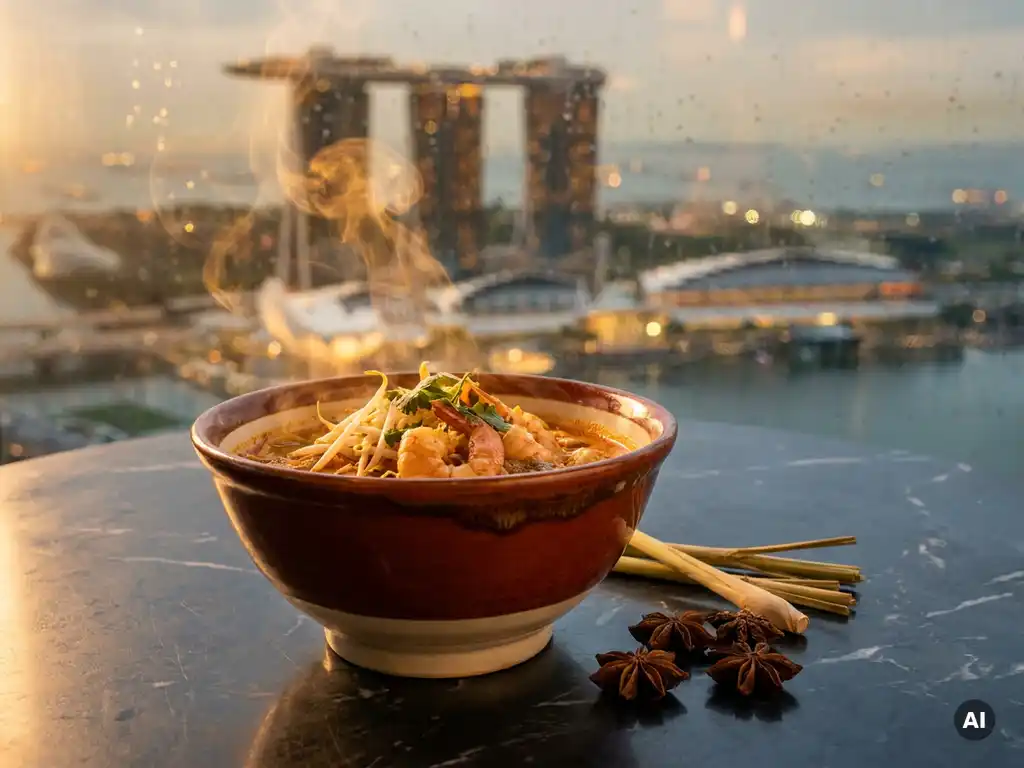
Singapore stands as Asia’s culinary capital, where East meets West in a symphony of flavors that creates the perfect backdrop for corporate incentive programs. The city-state’s unique position as a multicultural melting pot has produced one of the world’s most diverse and sophisticated food scenes, making it an ideal destination for companies seeking to reward their teams with extraordinary culinary experiences.
From hawker centers serving authentic street food to Michelin-starred restaurants pushing culinary boundaries, Singapore offers unparalleled opportunities for corporate groups to bond over exceptional dining experiences. This culinary diversity, combined with world-class infrastructure and seamless logistics, transforms food-focused incentive programs into transformative team experiences that participants remember long after returning home.
What makes Singapore’s food scene perfect for incentive programs?
Singapore’s food scene excels for incentive programs because it offers unmatched culinary diversity within a compact, easily navigable city. The destination features authentic cuisines from Chinese, Malay, Indian, and Western traditions alongside innovative fusion concepts, all supported by world-class infrastructure and English-speaking service standards that eliminate language barriers for international corporate groups.
The city’s hawker centers provide authentic local experiences where teams can explore together, while high-end restaurants offer sophisticated dining for executive rewards. Singapore’s strict food safety standards ensure peace of mind for corporate planners, while the compact geography allows groups to experience multiple culinary districts in a single day. The destination’s reputation as a safe, clean, and efficient city makes it particularly appealing for companies organizing their first Asian incentive programs.
Singapore’s culinary calendar also features year-round food festivals and events that can enhance incentive programs, from the Singapore Food Festival to Restaurant Week. This consistent availability of special culinary experiences means corporate groups can access exclusive dining opportunities regardless of their travel dates.
How does Singapore’s multicultural cuisine enhance team experiences?
Singapore’s multicultural cuisine enhances team experiences by creating natural conversation starters and shared moments of discovery that break down professional barriers. When colleagues explore unfamiliar flavors together, whether sampling laksa at a hawker stall or learning to make dim sum, they engage in authentic cultural exchange that builds stronger interpersonal connections beyond the workplace.
The diversity of Singapore’s food culture means every team member can find familiar comfort foods while also being challenged to try something new. A single meal might feature Chinese roast duck, Indian curry, Malay satay, and Western desserts, allowing team members from different backgrounds to share their cultural knowledge and food stories. This cultural exchange creates lasting memories and deeper understanding between colleagues.
Group cooking classes featuring multiple cuisines encourage collaboration and communication in a relaxed setting. Teams must work together to master unfamiliar techniques, from folding dumplings to grinding spices for curry paste. These hands-on experiences require cooperation and patience, naturally developing teamwork skills while creating something tangible that the group can enjoy together.
What types of culinary activities work best for corporate groups in Singapore?
The most effective culinary activities for corporate groups in Singapore include guided hawker center tours, private cooking classes with local chefs, progressive dining experiences across multiple venues, and exclusive restaurant takeovers. These activities balance cultural immersion with team interaction while accommodating different dietary requirements and comfort levels within the group.
Hawker center tours work exceptionally well because they expose teams to authentic local culture in a casual, approachable setting. Groups can split into smaller teams to explore different stalls, then reconvene to share their discoveries. This format encourages mingling and creates natural icebreakers as colleagues compare their culinary adventures.
Private cooking classes allow for hands-on collaboration while learning about local ingredients and techniques. Popular options include dim sum making, traditional curry preparation, and fusion cuisine workshops that blend local and Western techniques. These classes typically accommodate 8-20 participants and can be customized based on dietary restrictions or skill levels.
Progressive dining experiences that move between venues showcase Singapore’s culinary diversity while maintaining group cohesion. A typical program might start with cocktails at a rooftop bar, continue with appetizers at a hawker center, feature mains at a heritage restaurant, and conclude with dessert at a modern patisserie. This format keeps energy high while exposing participants to different atmospheres and cuisines.
How do you plan a successful culinary incentive program in Singapore?
Planning a successful culinary incentive program in Singapore requires early venue booking, detailed dietary requirement collection, strategic timing around local meal customs, and backup plans for weather-dependent activities. Success depends on balancing authentic local experiences with the comfort levels of international participants while ensuring seamless logistics throughout the program.
Start planning at least 3-4 months in advance, especially for popular restaurants and unique venues that require reservations. Singapore’s dining scene is highly competitive, and the best experiences book up quickly. Collect detailed dietary requirements early in the planning process, as Singapore’s multicultural cuisine can easily accommodate most restrictions when chefs have adequate notice.
Consider Singapore’s dining customs when scheduling activities. Lunch typically occurs between 12:00 and 2:00 PM, while dinner service begins around 6:30 PM. Many hawker centers are busiest during traditional meal times, so plan visits slightly earlier or later to avoid crowds. Weather contingency plans are essential, as Singapore’s tropical climate can bring sudden rain that affects outdoor dining or walking tours.
Build flexibility into the itinerary to accommodate different spice tolerances and food preferences within the group. Provide clear descriptions of dishes and ingredients beforehand, and always include milder options alongside more adventurous choices. Consider appointing food ambassadors within the group who can help encourage participation and share cultural context during meals.
What are the logistics considerations for Singapore culinary programs?
Key logistics considerations for Singapore culinary programs include transportation between venues, group size management for restaurant capacity, payment coordination across multiple vendors, and dietary accommodation tracking. Singapore’s efficient public transport system and compact geography simplify movement, but advance coordination ensures smooth transitions between culinary experiences.
Transportation planning is crucial when moving between multiple dining venues. While Singapore’s MRT system is excellent, private coaches provide better group cohesion and timing control for corporate programs. Allow 15-20 minutes of travel time between most destinations within the city center, and consider traffic patterns during peak hours when scheduling movements.
Restaurant capacity varies significantly across Singapore’s dining landscape. Hawker centers can accommodate large groups with advance notice, while intimate restaurants may require splitting larger teams across multiple seatings or venues. Confirm exact headcounts 48 hours before each dining experience, and maintain direct contact with venue managers for any last-minute adjustments.
Payment coordination requires advance planning, as some hawker stalls accept only cash while upscale restaurants prefer credit cards. Consider providing meal vouchers or prepaid cards for hawker center visits, while arranging consolidated billing for restaurant experiences. Currency exchange services are widely available, but digital payment options like PayNow or GrabPay offer convenience for smaller purchases.
How DMC GO helps with Singapore culinary incentive programs
At DMC GO, we specialize in creating exceptional culinary incentive programs that showcase Singapore’s incredible food scene while delivering seamless experiences for corporate groups. Our GO Incentive division leverages decades of destination management expertise to craft personalized culinary journeys that combine authentic local experiences with luxury service standards.
Our Singapore culinary incentive services include:
- Exclusive access to renowned restaurants and celebrity chef experiences
- Private cooking classes with master chefs in premium kitchen facilities
- Curated hawker center tours with local food experts and cultural guides
- Progressive dining experiences across Singapore’s diverse neighborhoods
- Dietary requirement management and allergen-safe menu coordination
- Transportation logistics and venue coordination for seamless program flow
Ready to create an unforgettable culinary incentive experience in Singapore? Contact our team to discuss your requirements and discover how we can transform your corporate rewards program into an extraordinary culinary journey that motivates, inspires, and creates lasting memories for your team.