
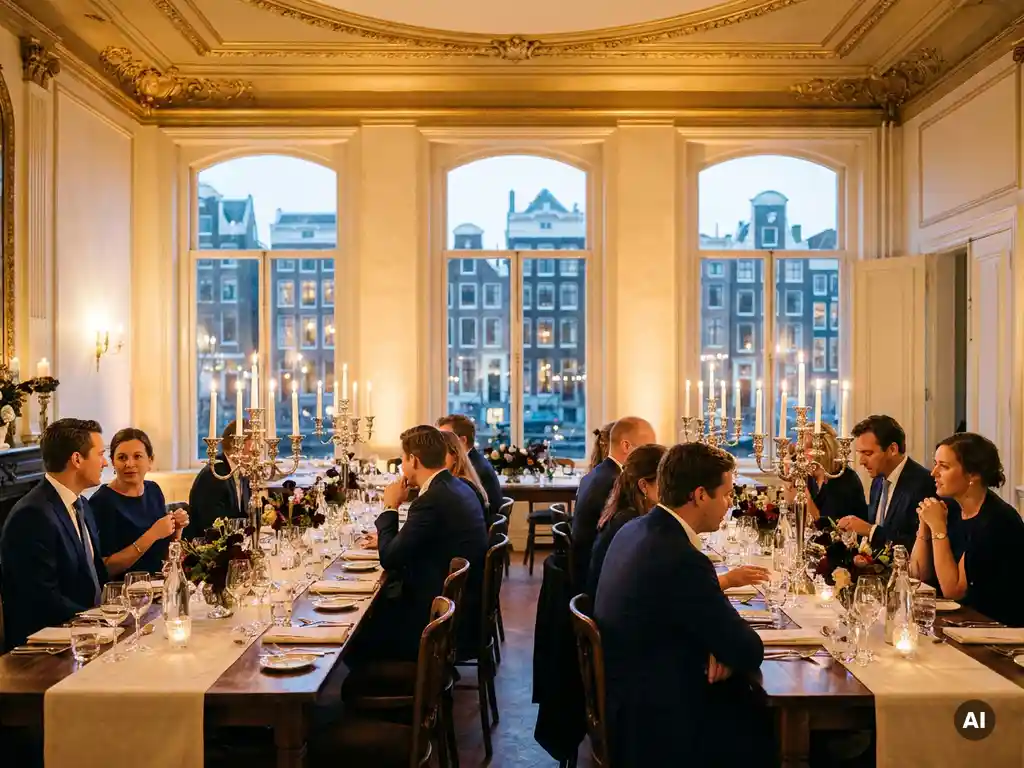
The Netherlands has long been one of Europe’s most strategically positioned destinations for corporate gatherings. Its central location, world-class infrastructure, and culturally rich cities make it a natural choice for organizations planning meetings, incentive programs, conferences, and exhibitions. Yet beneath that appeal lies a level of operational complexity that catches many event planners off guard. Effective corporate event management in the Netherlands demands more than booking venues and arranging transport; it requires a nuanced understanding of Dutch destination dynamics, supplier ecosystems, and the strategic frameworks that turn a well-organized event into a genuinely high-impact program.
As demand for MICE events in the Netherlands continues to grow in 2026, organizations are increasingly recognizing that successful outcomes depend on the quality of planning decisions made long before the first delegate arrives. This article explores the key forces shaping corporate event strategy in the Dutch market and the frameworks that distinguish exceptional programs from ordinary ones.
What Makes Corporate Event Management in the Netherlands Complex
The Netherlands presents a deceptively layered planning environment. On the surface, cities like Amsterdam, Rotterdam, and The Hague offer abundant venue options, excellent transport links, and a business-friendly culture. In practice, each of these cities operates with its own logistical rhythms, venue availability pressures, and regulatory considerations that require experienced navigation.
Amsterdam, for example, faces significant demand compression around peak conference seasons, which means popular venues and preferred hotel blocks fill months in advance. Rotterdam’s architectural venue landscape is visually compelling but requires careful logistical planning given its urban layout. The Hague, as a diplomatic and institutional hub, offers prestige and unique access but comes with its own protocol considerations. Managing these variables simultaneously, while aligning them with a corporate program’s objectives and budget parameters, is where the real complexity of corporate event planning in this market begins.
How Dutch Destination Dynamics Shape Event Strategy
Destination dynamics are not simply a backdrop to event planning; they are an active variable that shapes every strategic decision. In the Dutch context, this means accounting for seasonal demand patterns, cultural expectations around hospitality, and the distinct character each city brings to a corporate program.
The Netherlands has a well-developed MICE infrastructure, but that infrastructure is distributed unevenly. Amsterdam’s historic canal-side venues offer atmospheric settings ideal for gala dinners and incentive experiences, while Rotterdam’s modern convention spaces suit large-scale conferences. The Hague provides access to institutional settings rarely available in other European cities. A well-constructed event strategy treats these differences not as obstacles but as opportunities, using destination character to reinforce program objectives, whether that means creating memorable incentive moments or projecting organizational credibility through venue selection.
Cultural fluency also plays a role. Dutch business culture tends to value directness, efficiency, and substance over ceremony. Programs that reflect these values, through tight agendas, meaningful content, and well-paced social elements, consistently outperform those that import formats better suited to other markets without adaptation.
Key Pillars of High-Impact Corporate Event Programs
Across the MICE sector, the programs that generate lasting value tend to share a set of structural characteristics. Understanding these pillars helps planners make better decisions at every stage of the design process.
Strategic Alignment
Every element of a corporate event, from the venue selection to the agenda structure to the social program, should connect back to a defined organizational objective. Whether the goal is leadership alignment, client relationship development, employee motivation, or knowledge transfer, that objective should function as the filter through which all planning decisions are made. Programs that lack this alignment often feel fragmented, regardless of their production quality.
Experience Design
High-impact programs treat the attendee experience as a designed journey rather than a sequence of scheduled activities. This means considering how energy levels shift across a multi-day program, how social elements reinforce the professional content, and how the destination itself can be woven into the narrative. Incentive travel in the Netherlands particularly benefits from this approach; the country’s cultural richness, from its design heritage to its culinary scene, offers genuine experiential depth when accessed with local knowledge.
Operational Precision
Even the most creatively designed program fails without rigorous operational execution. This includes supplier coordination, contingency planning, on-site logistics management, and real-time problem resolution. In a destination like the Netherlands, where urban logistics can be unpredictable and supplier relationships matter significantly, operational precision is a core competency rather than a baseline expectation.
What Separates Effective DMC Partnerships from Standard Vendors
The distinction between a destination management company and a standard event vendor lies in the depth and nature of their market integration. A vendor provides a service; a DMC provides strategic local partnership. That difference manifests in several concrete ways.
A well-integrated DMC brings pre-established supplier relationships that translate into preferential access, reliable quality control, and negotiating leverage that independent planners cannot easily replicate. They carry institutional knowledge of venue nuances, local regulations, and destination-specific risks that only comes from sustained operational presence in a market. Critically, an effective DMC in the Netherlands also functions as a real-time problem-solving resource; when a venue issue, a weather disruption, or a supplier failure occurs, local expertise and relationships determine how quickly and effectively the situation is resolved.
The planning relationship also matters. The best DMC partnerships begin well before the event itself, with the DMC contributing to program design, destination strategy, and budget architecture, not simply executing a brief handed to them at a late stage. This upstream involvement is where the most significant value is typically created.
A Strategic Approach to MICE Event Planning in the Netherlands
Effective MICE event planning in the Dutch market follows a recognizable strategic sequence, even when the specific program varies considerably. It begins with a clear articulation of objectives and success criteria, moves through destination and venue strategy, and then into detailed program design before entering the operational execution phase.
Budget architecture deserves particular attention in this sequence. The Netherlands is a premium destination, and program costs vary considerably depending on city, season, venue tier, and program complexity. Planners who approach budget-setting with flexibility and a clear understanding of where investment generates the most attendee impact consistently achieve better outcomes than those working from rigid fixed budgets without strategic prioritization.
Risk management is another dimension that separates sophisticated planning from reactive execution. Contingency planning for weather, supplier disruption, and attendance variation should be embedded in the program design from the outset, not addressed as an afterthought once the main logistics are in place.
How GO DMC Supports Corporate Event Management in the Netherlands
GO DMC operates as a full-service destination management partner for organizations planning corporate events, incentive programs, conferences, and exhibitions across the Netherlands. With over three decades of operational experience in the Dutch market, GO DMC brings the local depth and international standards that complex MICE programs require.
Working with GO DMC gives organizations access to a structured, end-to-end planning approach that covers:
- Destination and venue strategy tailored to program objectives and audience profile
- Curated supplier networks across Amsterdam, Rotterdam, The Hague, and beyond
- Creative program design that integrates Dutch cultural experiences with corporate goals
- Full operational management, including on-site coordination and real-time contingency response
- Budget guidance structured around program priorities; pricing depends on event scope, group size, destination, and service level, and GO DMC works with clients to find the right fit
Whether you are planning a large-scale international conference or a tailored incentive journey for a high-value group, the right local partnership makes the difference between a well-run event and a genuinely memorable one. To explore what a program in the Netherlands could look like for your organization, get in touch with GO DMC and start the conversation.