
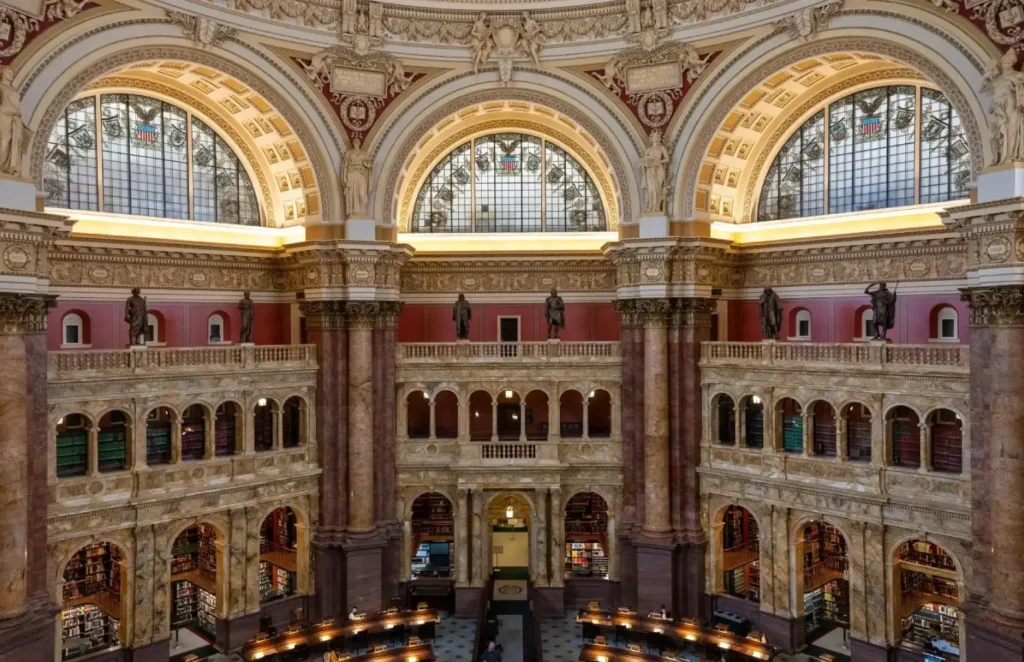
Incorporating Dutch Golden Age history into events creates sophisticated corporate experiences that blend cultural authenticity with professional objectives. The period from 1588 to 1672 offers rich themes of maritime trade, artistic patronage, and merchant prosperity that resonate with modern business values. This approach transforms standard corporate gatherings into memorable cultural experiences while maintaining professional focus and delivering business outcomes.
What is the Dutch Golden Age, and why does it matter for modern events?
The Dutch Golden Age (1588–1672) represents the Netherlands’ most prosperous historical period, characterised by unprecedented maritime trade dominance, artistic achievement, and economic innovation. This era established Amsterdam as Europe’s commercial capital and produced masterworks by Rembrandt, Vermeer, and other renowned artists while pioneering global trading networks.
For modern corporate events, this period provides compelling themes that align perfectly with contemporary business values. The merchant prosperity of the era mirrors today’s entrepreneurial spirit, while the period’s emphasis on international trade resonates with global business relationships. The Golden Age’s artistic patronage traditions offer sophisticated cultural elements that elevate standard corporate gatherings into memorable experiences.
This historical significance creates natural conversation starters and networking opportunities, as guests appreciate learning about Dutch heritage while conducting business. This cultural context adds depth to corporate events, making them more engaging and memorable than conventional meeting formats.
Which Dutch Golden Age venues work best for corporate events?
Amsterdam’s historic canal houses, former merchant halls, and restored trading buildings from the Golden Age offer authentic settings for corporate events. The Amsterdam Museum, Rijksmuseum, and converted 17th-century warehouses provide atmospheric venues with modern amenities while maintaining historical authenticity.
Notable venues include historic canal ring buildings with their characteristic tall windows and ornate façades, perfect for intimate executive meetings or cocktail receptions. Former guild halls and merchant houses offer larger spaces for conferences while preserving original architectural details such as wooden beams and period fireplaces.
When selecting venues, consider practical requirements alongside historical appeal. Many Golden Age buildings have been modernised with contemporary audio-visual equipment, climate control, and accessibility features. However, older structures may have limitations regarding capacity, parking, and technical installations that require careful planning.
The most successful venues balance authentic period atmosphere with modern functionality, ensuring guests enjoy the historical setting without compromising comfort or business requirements.
How do you create authentic Golden Age experiences without overwhelming guests?
Successful Golden Age theming requires subtle integration of historical elements that enhance rather than dominate the business focus. Use period-appropriate colours such as deep blues, rich golds, and warm browns in décor, combined with tasteful reproductions of Dutch master paintings and maritime artefacts as accent pieces.
Traditional Dutch cuisine can be modernised for contemporary palates while maintaining historical authenticity. Consider serving updated versions of 17th-century merchant feast dishes, locally sourced cheeses, and period-inspired beverages alongside standard catering options to accommodate all preferences.
Entertainment options might include brief historical presentations, traditional Dutch music during networking periods, or interactive elements such as spice-trading simulations that reference the era’s commercial activities. Keep these elements brief and optional to maintain a professional atmosphere.
The key lies in creating layers of authenticity that guests can engage with at their comfort level. Some attendees will appreciate detailed historical context, while others prefer subtle atmospheric touches that do not interfere with business objectives.
What are the most engaging Golden Age themes for different types of business events?
Maritime trading themes work exceptionally well for conferences focused on international business, global partnerships, or expansion strategies. Use nautical elements, world maps from the period, and references to Dutch exploration to reinforce themes of discovery and opportunity.
For product launches, consider artistic patronage concepts that position your company as a supporter of innovation and creativity, mirroring how Golden Age merchants funded artistic breakthroughs. This approach works particularly well for technology, design, or creative industry events.
Team-building events can incorporate guild traditions, emphasising craftsmanship, collaboration, and shared expertise. Activities might include collaborative art projects, problem-solving challenges based on historical trading scenarios, or workshops exploring traditional Dutch crafts adapted to modern team dynamics.
Networking events benefit from merchant-house atmospheres that encourage relationship building and deal-making, reflecting the period’s emphasis on personal connections in business. Create intimate spaces that facilitate conversation while incorporating period-appropriate hospitality traditions.
How do you handle logistics when planning historical-themed events in the Netherlands?
Working with historical venues requires additional planning time and specialised coordination. Many Golden Age buildings have restrictions on decorations, catering setups, and guest capacity that must be confirmed well in advance. Some venues require special insurance or handling procedures for historical artefacts and period furnishings.
Transportation to historic city-centre locations often involves pedestrian-only zones or limited parking availability. Arrange shuttle services from central parking areas or coordinate with local transport providers familiar with Amsterdam’s historic district access requirements.
Technical requirements need careful consideration in older buildings where modern equipment installation may be limited. Confirm power availability, internet connectivity, and audio-visual capabilities early in the planning process. Some venues may require external technical suppliers familiar with historical building constraints.
Accessibility compliance can be challenging in 17th-century buildings with narrow staircases and period doorways. Work with venue managers to identify accessible entrances and facilities, ensuring all guests can participate fully in the event experience.
How DMC GO helps with incorporating Dutch Golden Age history into events
We specialise in creating authentic Dutch Golden Age experiences that seamlessly blend historical authenticity with modern corporate objectives. Our deep knowledge of Amsterdam’s historic venues and cultural partners enables us to design sophisticated events that honour Dutch heritage while meeting your business goals.
Our comprehensive Golden Age event services include:
- Access to exclusive historic venues, including private canal houses and restored merchant halls
- Coordination with cultural institutions and historical societies for authentic programming
- Period-appropriate catering with modern adaptations of traditional Dutch cuisine
- Historical entertainment and educational elements tailored to your audience
- Complete logistics management for historic venue requirements and city-centre access
- Cultural consultation ensuring respectful and accurate historical representation
Ready to create an unforgettable Dutch Golden Age corporate experience? Contact us to discuss how we can transform your next business event into a sophisticated cultural journey that impresses guests while achieving your professional objectives. Learn more about our expertise in creating authentic cultural experiences that resonate with international business audiences.