
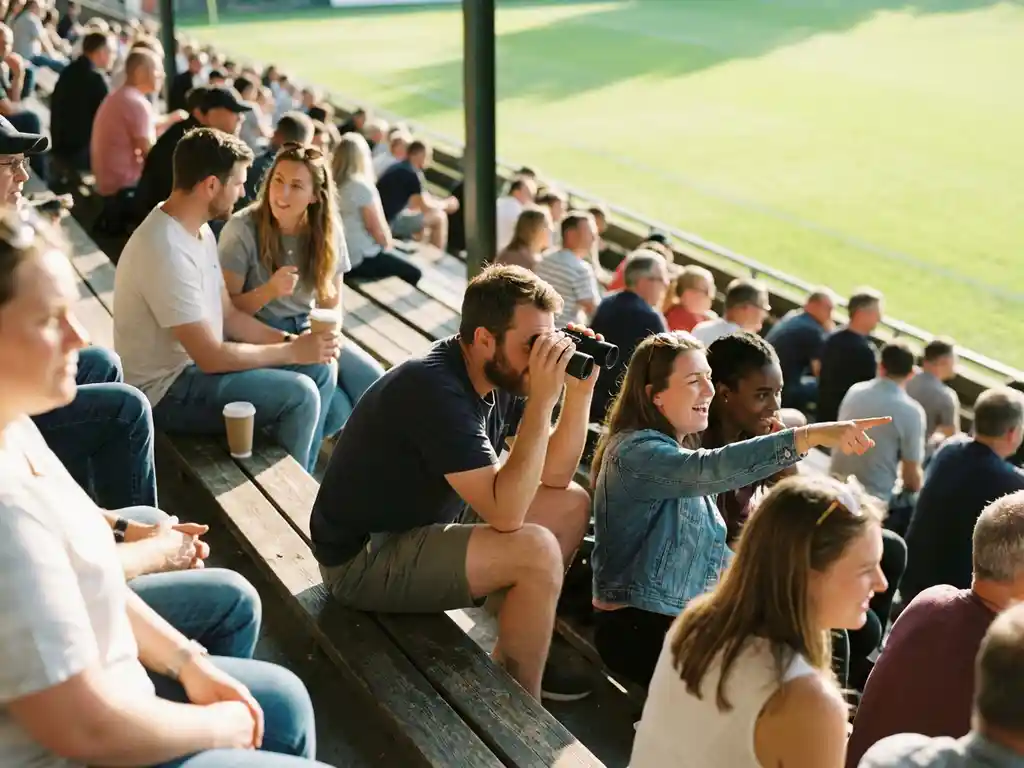
Managing mixed interest levels at sports events requires an understanding that attendees arrive with varying degrees of enthusiasm, knowledge, and personal connection to the sport. Successful sports event management creates layered experiences that engage passionate fans while keeping the event accessible and entertaining for casual spectators. This involves strategic audience segmentation, diverse programming options, and flexible engagement approaches that cater to different participation preferences throughout the event.
What causes mixed interest levels at sports events?
Mixed interest levels at sports events stem from diverse audience backgrounds, varying levels of sports knowledge, different personal connections to teams, and contrasting motivations for attending. Some attendees are passionate fans with a deep understanding of the sport, while others attend for social reasons, corporate obligations, or general entertainment without specific team loyalty.
Audience diversity plays a significant role in creating engagement challenges. Corporate guests may attend networking events during major tournaments without genuine interest in the sport itself. Family members might accompany enthusiastic relatives, bringing different age groups and interest levels to the same venue. Geographic factors also influence engagement, as local supporters typically show higher enthusiasm than neutral spectators.
Knowledge gaps between hardcore fans and casual observers create natural divisions within the audience. Experienced supporters understand game nuances, strategies, and player histories, while newcomers may struggle to follow basic rules or appreciate tactical decisions. Weather conditions, venue comfort, and timing can further affect spectator enthusiasm.
Personal investment varies dramatically among attendees. Season ticket holders demonstrate consistent commitment, while one-time visitors may have minimal emotional connection to the outcome. Corporate hospitality guests often prioritise business relationships over the sporting action, creating additional complexity for event coordinators managing diverse expectations.
How do you identify different interest levels among event attendees?
Identifying interest levels requires systematic observation and data collection through pre-event surveys, behavioural monitoring, real-time feedback systems, and attendance pattern analysis. Event organisers can segment audiences by ticket type, seating preferences, merchandise purchases, and engagement with pre-event communications to understand spectator motivations.
Pre-event registration provides valuable insights into attendee backgrounds and expectations. Surveys asking about sports knowledge, team preferences, and event goals help organisers understand audience composition. Social media monitoring reveals genuine enthusiasm through posting frequency, content engagement, and sentiment analysis around the event.
During events, behavioural observation offers real-time indicators of interest. Engaged spectators participate in chants, wear team colours, arrive early, and remain focused on the action. Less interested attendees may spend more time socialising, leave their seats frequently, or engage primarily with non-sporting activities such as dining and networking.
Technology solutions include mobile apps with engagement tracking, interactive voting systems, and digital feedback collection. Concession spending patterns, merchandise purchases, and facility usage data provide additional indicators of interest. Staff training in audience observation helps identify engagement patterns and adjust programming accordingly.
What strategies work best for engaging less interested spectators?
Effective engagement strategies for less interested spectators include interactive entertainment, educational content, gamification, social networking opportunities, and multiple engagement touchpoints beyond the core sporting action. These approaches create alternative value propositions that maintain attention and participation throughout the event.
Educational initiatives help bridge knowledge gaps that often cause disengagement. Commentary systems, mobile apps with rule explanations, and interactive displays that explain game strategies make sports more accessible to newcomers. Player statistics, historical context, and tactical breakdowns can transform confusion into understanding and appreciation.
Entertainment diversification provides engagement alternatives during natural lulls in the sporting action. Half-time shows, interactive zones, virtual reality experiences, and celebrity appearances create additional points of interest. Food and beverage experiences, merchandise opportunities, and photo installations offer social media moments that extend engagement beyond the game itself.
Gamification through prediction contests, trivia competitions, and interactive challenges maintains attention while teaching the fundamentals of the sport. Social networking facilitation through designated meeting areas, structured networking breaks, and shared experiences helps corporate attendees achieve their relationship-building objectives while staying connected to the sporting event.
How do you balance activities for different audience segments at sports events?
Balancing activities requires zone-based programming, flexible scheduling options, diverse entertainment offerings, and personalised experience pathways that satisfy both passionate fans and casual attendees simultaneously. This approach creates layered experiences in which different segments can engage at their preferred level without compromising others’ enjoyment.
Venue design plays a crucial role in segment management. Premium areas can focus on the pure sporting experience for dedicated fans, while hospitality zones emphasise networking and comfort for corporate guests. Family sections require child-friendly activities and educational elements, while general admission areas can blend entertainment with a sporting focus.
Programming flexibility allows attendees to customise their experience based on their interest level. Optional guided tours, meet-and-greet opportunities, and behind-the-scenes access appeal to curious newcomers. Dedicated viewing areas for serious fans minimise distractions while maintaining an atmosphere for those seeking an authentic sporting experience.
Communication strategies must address different information needs simultaneously. Detailed tactical analysis satisfies knowledgeable supporters, while basic explanations help newcomers follow the action. Multiple communication channels, from traditional announcements to mobile app notifications, ensure all segments receive relevant information in their preferred format throughout the event.
How does DMC GO help with managing mixed interest levels at sports events?
We specialise in creating comprehensive sports event experiences through our GO Sports division that successfully manage diverse audience interests and engagement levels. Our approach combines detailed audience analysis, multi-tiered programming, and expert coordination to ensure every attendee finds meaningful opportunities to participate, regardless of their initial interest level.
Our sports event management services include:
- Comprehensive audience profiling through pre-event surveys and registration data analysis
- Zone-based venue design that creates distinct experiences for different attendee segments
- Interactive entertainment programming that bridges knowledge gaps between casual and dedicated fans
- Corporate hospitality integration that balances networking objectives with sporting engagement
- Real-time engagement monitoring and programme-adjustment capabilities
- Educational content delivery systems that make sports accessible to newcomers
- Flexible experience pathways that enable personalised event participation
Our extensive experience managing sporting events, from Formula 1 at Zandvoort to UEFA Champions League programmes, ensures we understand the complexity of mixed-interest audiences. We create layered experiences in which passionate fans enjoy an authentic sporting atmosphere, corporate guests achieve their business objectives, and casual attendees discover genuine entertainment value.
Contact our GO Sports team to discuss how we can design and manage your next sporting event with comprehensive audience engagement strategies that satisfy every attendee segment.