
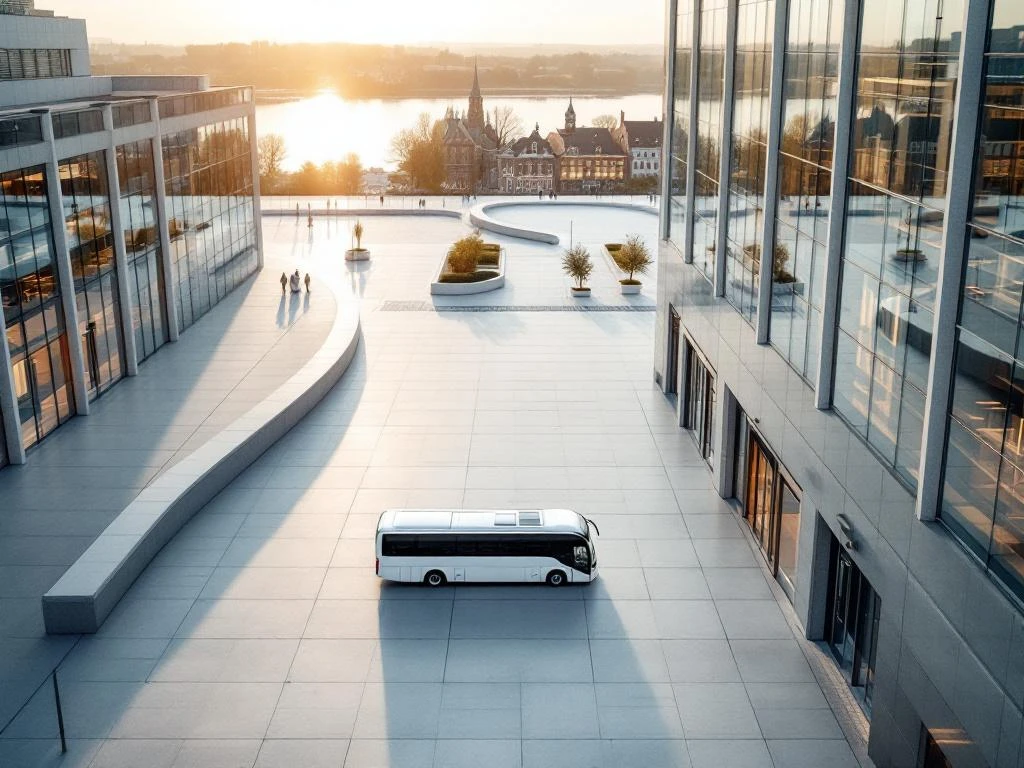
Event transportation planning requires coordinating multiple factors, including distance analysis, timing calculations, and guest logistics, to ensure smooth venue-to-venue transfers. Successful multi-venue event coordination depends on choosing appropriate transportation options, communicating clearly with attendees, and having backup plans ready. This comprehensive guide addresses the most common questions about planning transportation between event venues.
What factors should you consider when planning transportation between venues?
Distance analysis, venue accessibility, guest demographics, timing constraints, weather conditions, and budget parameters form the foundation of effective venue transportation logistics. These factors determine which transportation methods work best and how much time you need to allocate for transfers.
Distance and route analysis helps you understand actual travel times between venues. Consider traffic patterns during your event times, road construction, and alternative routes. Map out the most efficient paths and identify potential bottlenecks that could cause delays.
Venue accessibility significantly affects transportation choices. Some venues have limited parking, narrow access roads, or restrictions on large vehicles. Check loading zones, drop-off areas, and any permits required for commercial vehicles at each location.
Guest demographics influence transportation planning decisions. Consider mobility requirements, age groups, and comfort expectations. Corporate executives may expect different transport standards than casual event attendees. Factor in any special needs or accessibility requirements for your group.
Weather considerations become important for outdoor venues or walking routes. Have contingency plans for rain, extreme temperatures, or seasonal conditions that might affect guest comfort or transportation reliability.
How do you calculate timing and logistics for venue transfers?
Buffer time calculations, travel duration estimates, venue schedule coordination, and guest flow management create realistic timelines that account for delays and logistical challenges. Proper timing prevents rushed transfers and maintains event flow.
Start with baseline travel times between venues, then add buffer time for loading, unloading, and unexpected delays. A good rule is to add 25–50% extra time, depending on group size and transportation method. Larger groups need more buffer time for coordination and movement.
Coordinate departure and arrival times with venue schedules. Confirm when spaces will be available, when catering needs access, and any setup requirements that affect timing. Some venues have strict arrival windows or noise restrictions that impact your schedule.
Plan guest flow management by staggering departures if needed. Large groups often move more efficiently in smaller batches rather than all at once. Designate meeting points and assign staff to guide groups through the transfer process.
Create realistic timelines by testing routes under similar conditions when possible. Account for peak traffic times, venue changeover periods, and any activities that need to conclude before departure.
What transportation options work best for different types of events?
Shuttle buses, private coaches, ride-sharing coordination, walking routes, and luxury transport options each serve specific event types and group sizes. The best choice depends on distance, group demographics, budget, and event formality level.
Shuttle buses work well for medium to large groups traveling moderate distances. They are cost-effective for corporate events and conferences where efficiency matters more than luxury. Shuttles handle 20–50 people comfortably and can run multiple trips if needed.
Private coaches suit larger groups requiring comfortable long-distance travel. They are ideal for incentive programs, executive retreats, or situations where you want to keep groups together. Coaches offer amenities like Wi‑Fi and refreshments for longer journeys.
Ride-sharing coordination works for smaller groups or when flexibility is important. This option suits informal events where attendees prefer individual control over timing. Provide clear instructions and consider covering costs through event apps or vouchers.
Walking routes between nearby venues create networking opportunities and work well in urban settings. Plan safe, well-lit paths with clear signage. Consider weather backup plans and provide maps or guided walks for unfamiliar areas.
Luxury transport options like private cars or specialty vehicles enhance high-end events. Use these for VIP guests, executive programs, or when transportation becomes part of the experience itself.
How do you communicate transportation plans effectively to attendees?
Clear signage, digital notifications, staff coordination, backup plans, and ensuring all guests understand departure times and meeting points prevent confusion and delays. Effective communication reduces stress and keeps events running smoothly.
Use multiple communication channels to reach all attendees. Send detailed transportation information before the event, including departure times, meeting locations, and what to expect. Follow up with reminders on the event day through mobile notifications or announcements.
Clear signage at venues guides attendees to the correct departure points. Use consistent branding and easy-to-read fonts. Include directional arrows and staff contact information for questions.
Assign staff members to coordinate each departure point. These team members should have complete transportation schedules, contact information for drivers, and the authority to make decisions if problems arise.
Prepare backup communication plans for delays or changes. Have systems ready to quickly notify attendees about schedule adjustments. Consider using event apps, text messaging, or public address systems, depending on your setup.
Provide attendees with essential information, including driver contact details, estimated travel times, and what to do if they miss their scheduled departure. Clear instructions reduce anxiety and help people make informed decisions.
How DMC GO helps with event transportation planning
We provide comprehensive transportation coordination services that handle every aspect of venue-to-venue logistics across the Netherlands. Our local expertise and established partnerships ensure reliable, efficient transfers that enhance your event experience.
Our transportation planning services include:
- Route analysis and timing calculations based on real local conditions
- Venue partnership coordination for optimal arrival and departure logistics
- Professional driver and vehicle coordination with vetted local suppliers
- Real-time event-day coordination with dedicated staff at each location
- Backup planning and contingency management for weather or traffic delays
- Guest communication systems including signage, digital updates, and staff guidance
Whether you’re planning corporate meetings in Amsterdam, incentive programs across multiple Dutch cities, or international conferences requiring complex logistics, we handle the transportation details so you can focus on your event content. Contact us to discuss how we can streamline your multi-venue event transportation and ensure seamless guest experiences throughout the Netherlands.