
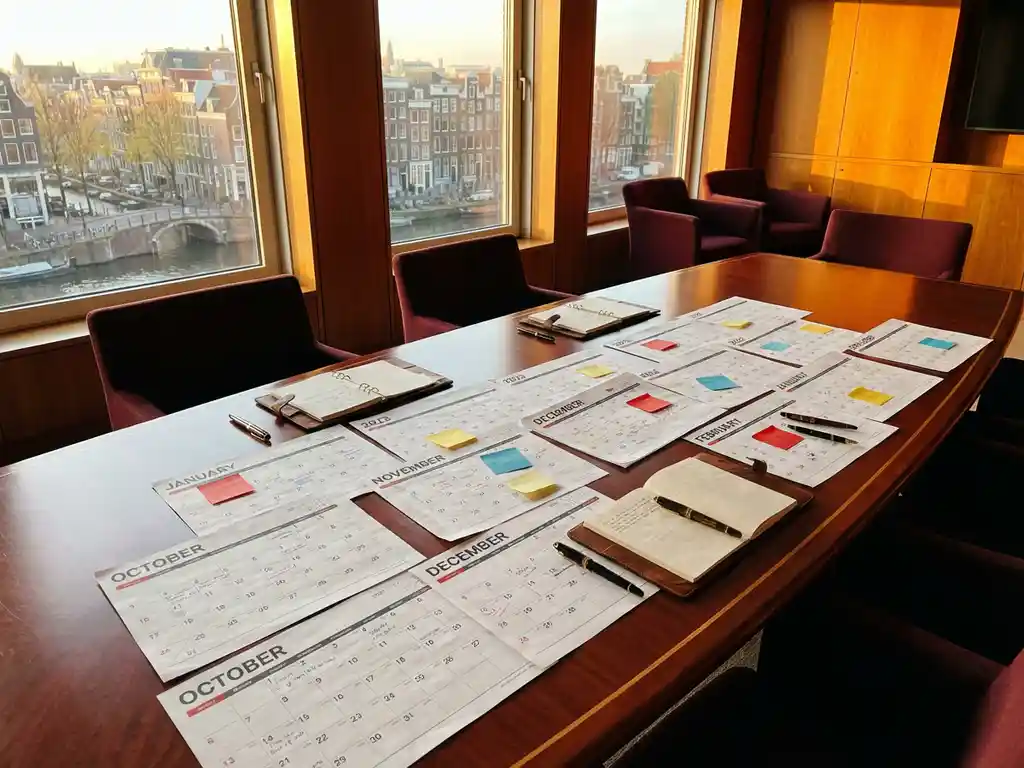
Planning executive team retreats involves coordinating busy schedules across multiple high-level stakeholders, each with demanding calendars and competing priorities. The challenge becomes even more complex when dealing with C-suite executives, who often have limited availability and make last-minute changes to their schedules.
Successfully managing these conflicting schedules requires strategic planning, clear communication, and flexible solutions that accommodate the unique demands of executive-level participants while ensuring maximum attendance at your corporate retreat.
What are the most common scheduling conflicts when planning executive team retreats?
The most common scheduling conflicts for executive team retreats include board meetings, investor calls, industry conferences, and international travel commitments. These high-priority obligations often take precedence over internal team events, creating significant challenges for retreat planners.
Quarterly earnings cycles represent another major source of conflict, as executives face increased demands during financial reporting periods. Additionally, regulatory deadlines, merger and acquisition activities, and crisis management situations can emerge unexpectedly, disrupting even well-planned retreat schedules.
Family commitments and personal travel also create conflicts, particularly during school holidays, major family events, or previously planned vacations. Executive teams often struggle to find windows when personal and professional obligations align, making advance planning crucial for successful coordination.
How far in advance should you start coordinating executive retreat schedules?
Executive retreat scheduling should begin 4–6 months in advance to secure optimal dates and accommodate busy executive calendars. This timeline allows sufficient flexibility to work around major industry events, board meetings, and personal commitments while ensuring venue availability.
For international retreats or peak-season destinations, extending the planning window to 6–8 months provides additional advantages. This extended timeframe enables better negotiation with venues, more competitive pricing, and greater flexibility in date selection when conflicts arise.
Starting early also allows for multiple rounds of schedule coordination, as initial availability often changes due to emerging business priorities. The extended timeline creates opportunities to adjust dates based on new information while maintaining momentum in the planning process.
What’s the best method for collecting executive availability?
The most effective method for collecting executive availability combines digital scheduling tools with direct coordination with assistants. Executive assistants typically manage complex calendars and can provide accurate availability information while identifying potential conflicts that executives might overlook.
Professional scheduling platforms like Calendly for Teams or When2meet allow executives to input their availability directly while providing real-time visibility into group preferences. These tools eliminate email chains and provide clear visual representations of optimal meeting windows.
For maximum effectiveness, combine technology with personal outreach. Initial digital collection should be followed by direct confirmation calls with executive assistants to verify availability and identify any unlisted commitments that could create last-minute conflicts.
How do you prioritize which executives must attend versus those who are optional?
Prioritization should focus on retreat objectives and decision-making authority, designating executives whose presence is essential to achieving specific outcomes as mandatory attendees. Key stakeholders typically include the CEO, division heads directly impacted by retreat goals, and executives with final approval authority over the initiatives discussed.
Create three attendance categories: essential, important, and optional. Essential attendees are those without whom the retreat cannot achieve its primary objectives. Important attendees contribute significantly but can participate virtually if necessary. Optional attendees benefit from participation but do not affect core outcomes.
Consider the retreat’s strategic focus when making these determinations. For strategic planning sessions, include executives with budget authority and operational oversight. For team-building retreats, prioritize relationship-building opportunities and include executives who work closely together on ongoing projects.
What should you do when no dates work for everyone?
When no dates accommodate everyone, prioritize essential attendees and proceed with the best available option that secures maximum participation from key decision-makers. Focus on achieving 80–90% attendance from your priority list rather than waiting for perfect alignment.
Implement hybrid participation options for conflicted executives, including virtual attendance for specific sessions, pre-recorded presentations, or dedicated follow-up meetings. This approach maintains engagement while respecting unavoidable scheduling constraints.
Consider splitting complex retreats into multiple shorter sessions or adjusting the agenda to accommodate partial attendance. Sometimes restructuring the event format proves more effective than continuing to search for an impossible perfect date.
How DMC GO helps with executive retreat scheduling coordination
DMC GO brings specialized expertise in executive event coordination, offering flexible venue options and contingency planning that accommodate last-minute schedule changes. Our services help resolve complex scheduling conflicts through:
• Advanced timeline management and coordination with executive assistants across multiple time zones
• Flexible venue partnerships that enable quick pivots when conflicts arise
• Hybrid event solutions that accommodate partial attendance and virtual participation
• Backup date arrangements and contingency planning for unpredictable executive schedules
• Local expertise across destinations like Amsterdam, Utrecht, and Maastricht for optimal venue selection
Our experience with corporate retreat coordination includes managing high-stakes executive calendars and providing detailed logistics support that minimizes scheduling friction. We work closely with your team to develop flexible solutions that ensure maximum participation from key stakeholders. Contact us to learn how we can streamline your executive retreat planning process and eliminate scheduling challenges.
Related Articles
- What does a destination management company actually do for incentive travel groups?
- What are the psychological benefits of incentive travel on employee motivation?
- How do you create incentive travel programs that motivate sales teams specifically?
- How do I plan an executive retreat for my leadership team?
- How do you create unique experiences for corporate events?