
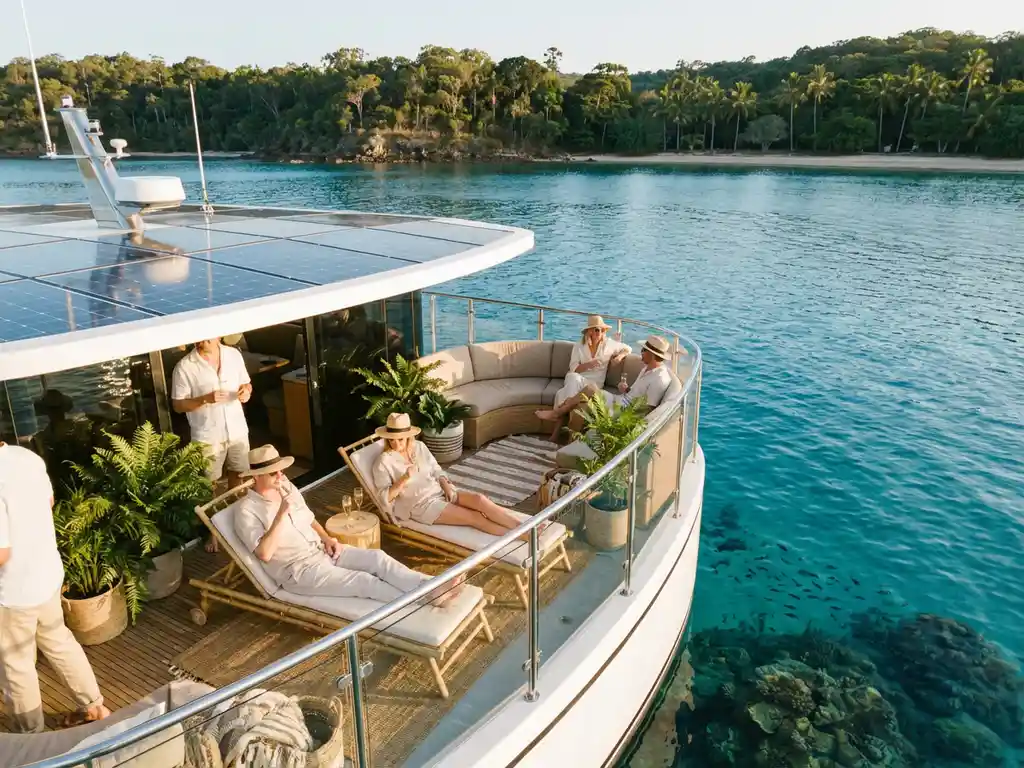
Luxury incentive travel has evolved beyond opulent accommodations and exclusive experiences to embrace meaningful sustainability practices. Modern organizations recognize that rewarding top performers with environmentally responsible programs not only aligns with corporate values but also creates more authentic and impactful experiences that resonate with today’s conscious travelers.
Sustainable luxury incentive travel represents the future of corporate rewards, where exceptional service meets environmental stewardship. This approach transforms traditional reward programs into purpose-driven journeys that celebrate achievement while contributing positively to destinations and communities worldwide.
What does sustainability mean in luxury incentive travel?
Sustainability in luxury incentive travel means creating exceptional reward experiences while minimizing environmental impact and maximizing positive social and economic benefits for destinations. This approach balances high-end service standards with responsible tourism practices, ensuring that luxury experiences contribute to long-term environmental and community well-being.
The concept extends beyond simply choosing eco-friendly hotels or offsetting carbon emissions from flights. Sustainable luxury incentive travel encompasses every aspect of the journey, from transportation and accommodation to dining, activities, and local engagement. It means selecting partners who demonstrate a genuine commitment to environmental stewardship, fair labor practices, and community development.
This approach recognizes that true luxury lies not just in exclusivity and comfort, but in experiences that create a lasting positive impact. Participants in sustainable incentive programs often report deeper satisfaction knowing their reward travel supports conservation efforts, local artisans, and community initiatives while maintaining the highest standards of service and comfort.
How do you choose sustainable luxury destinations for incentive programs?
Choosing sustainable luxury destinations involves evaluating locations based on their environmental certifications, community engagement initiatives, and commitment to responsible tourism practices. Priority goes to destinations that have established sustainability frameworks, support local economies, and offer authentic cultural experiences alongside luxury amenities.
Key selection criteria include destinations with recognized sustainability certifications such as Green Globe or EarthCheck, which demonstrate measurable environmental and social responsibility standards. Look for locations that actively protect natural resources, support local communities through employment and procurement, and offer genuine cultural immersion opportunities rather than staged tourist experiences.
Consider destinations that have implemented comprehensive waste management systems, renewable energy initiatives, and water conservation programs. Coastal locations with marine conservation projects, mountain regions with reforestation efforts, or cities with robust public transportation and green building standards often provide excellent foundations for sustainable luxury programs.
We evaluate potential destinations not only for their luxury infrastructure but also for their commitment to preserving the natural and cultural assets that make them special. This approach ensures that incentive programs contribute to destination sustainability while delivering the exceptional experiences that reward and motivate participants.
What are the key elements of a sustainable luxury incentive experience?
Key elements include eco-certified luxury accommodations, locally sourced dining experiences, low-impact transportation options, authentic cultural activities, and partnerships with conservation or community projects. These components work together to create meaningful experiences that maintain luxury standards while supporting environmental and social sustainability goals.
Accommodation selection focuses on properties with genuine sustainability credentials, such as LEED certification, renewable energy systems, water conservation programs, and waste reduction initiatives. These hotels and resorts demonstrate that luxury and environmental responsibility can coexist, offering premium amenities while minimizing their ecological footprint.
Culinary experiences emphasize farm-to-table dining, local wine and beverage pairings, and partnerships with sustainable food producers. This approach supports local agriculture, reduces transportation emissions, and provides participants with authentic regional flavors that enhance cultural immersion.
Activity programming incorporates nature-based experiences that promote conservation awareness, cultural workshops with local artisans, and volunteer opportunities that benefit communities. Transportation planning prioritizes efficient routing, group travel options, and, when possible, electric or hybrid vehicles for local transfers.
How do you measure and offset the environmental impact of incentive travel?
Measuring environmental impact involves calculating carbon emissions from transportation, accommodation energy use, and activities, then implementing offset strategies through verified carbon credit programs, reforestation projects, or renewable energy investments. Comprehensive tracking ensures accountability and enables continuous improvement in sustainability practices.
Carbon footprint calculation begins with a detailed analysis of all travel components, including flights, ground transportation, hotel stays, and planned activities. Professional carbon calculators and sustainability consultants help determine accurate emission levels, accounting for factors such as aircraft type, occupancy rates, and the energy sources used by accommodations.
Offset strategies should prioritize verified programs that demonstrate real, additional environmental benefits. High-quality options include certified reforestation projects, renewable energy development in developing countries, and methane capture initiatives. The most effective approaches combine immediate offsetting with long-term sustainability improvements.
Beyond offsetting, impact reduction focuses on minimizing emissions at the source through efficient routing, longer stays to reduce flight frequency, group transportation, and selecting accommodations with renewable energy systems. Regular impact assessment allows for program refinement and demonstrates a genuine commitment to environmental stewardship.
How can luxury incentive programs support local communities sustainably?
Luxury incentive programs support local communities through direct economic engagement, including partnerships with local suppliers, artisan workshops, cultural experiences led by community members, and accommodations at locally owned properties. This approach ensures tourism benefits reach beyond international hotel chains to support grassroots economic development.
Maximizing economic impact involves deliberate procurement decisions that favor local businesses, from restaurants and tour guides to transportation providers and activity coordinators. When participants engage in cooking classes with local chefs, art workshops with regional artists, or guided tours led by community historians, they create direct economic opportunities while gaining authentic cultural insights.
Community partnership development focuses on long-term relationships rather than one-time transactions. This might include supporting local education initiatives, contributing to conservation projects, or investing in infrastructure improvements that benefit both visitors and residents. Such partnerships create a lasting positive impact that extends far beyond the duration of individual programs.
Cultural sensitivity and respect remain paramount in all community interactions. Programs should be designed in consultation with local stakeholders to ensure activities honor traditions, provide fair compensation, and avoid commodifying cultural practices. This collaborative approach creates meaningful exchanges that enrich both participants and host communities while supporting sustainable tourism development.
How DMC GO helps with sustainable luxury incentive travel
DMC GO provides comprehensive solutions for organizations seeking to implement sustainable luxury incentive programs that align with their environmental and social responsibility goals. Our approach combines deep destination expertise with verified sustainability partnerships to create exceptional reward experiences that make a positive impact.
Our sustainable incentive travel services include:
- Partnership with certified eco-luxury accommodations and sustainable local suppliers
- Carbon footprint calculation and verified offset program management
- Authentic community engagement experiences that support local economic development
- Comprehensive sustainability reporting and impact measurement
- Expert guidance on destination selection based on environmental and social criteria
Ready to transform your corporate incentive program into a force for positive change? Contact our team to discover how we can create a sustainable luxury experience that rewards your top performers while supporting the destinations and communities that make these journeys possible. Let’s work together to design an incentive program that reflects your values and creates lasting impact.