
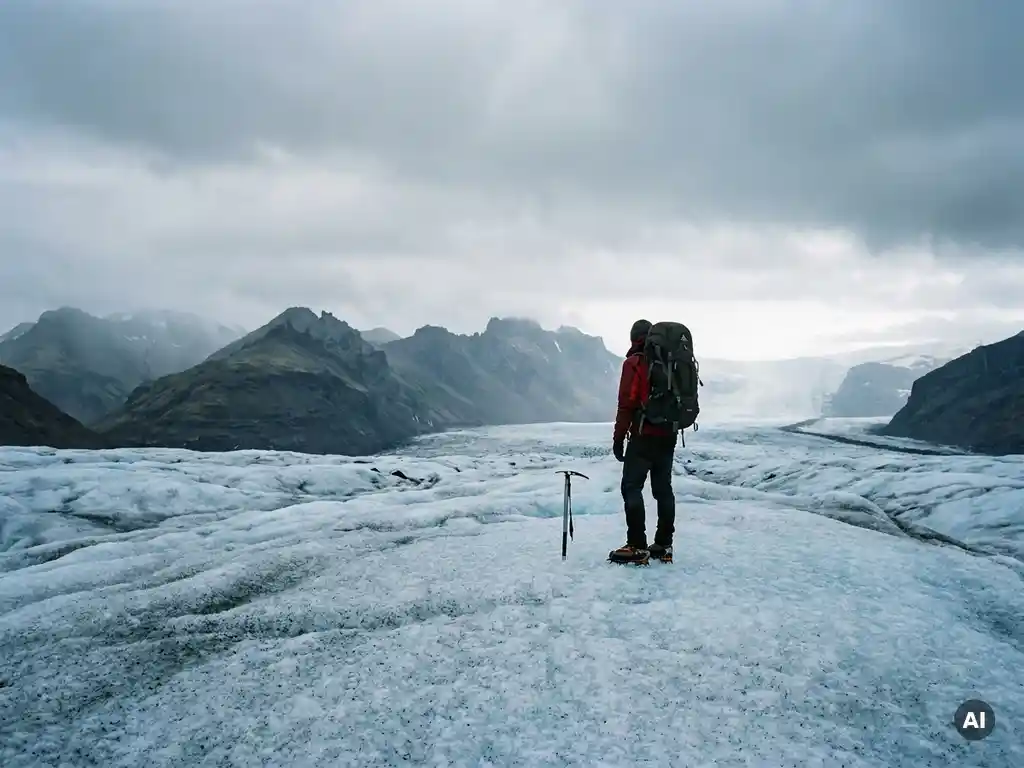
Iceland’s pristine glaciers offer some of the world’s most spectacular hiking opportunities, allowing adventurers to explore ancient ice formations against dramatic volcanic landscapes. Planning glacier hiking experiences in Iceland requires careful consideration of equipment, safety protocols, weather conditions, and selecting the right glacial destinations for your skill level.
With proper preparation and local expertise, glacier hiking in Iceland transforms from a challenging adventure into an unforgettable journey through some of Earth’s most remarkable frozen wilderness areas.
What is glacier hiking, and why is Iceland perfect for it?
Glacier hiking involves trekking across frozen ice formations using specialized equipment such as crampons and ice axes, while exploring crevasses, ice caves, and dramatic glacial landscapes. Iceland offers ideal conditions, with over 10% of its landmass covered by glaciers and terrain ranging from beginner-friendly ice walks to advanced mountaineering challenges.
Iceland’s glaciers are uniquely accessible compared to those in many other destinations. Many glacial tongues extend close to main roads, significantly reducing approach times. The country’s volcanic activity creates striking contrasts where ice meets fire, producing otherworldly blue ice formations and natural ice caves that change with the seasons.
The island’s location just below the Arctic Circle provides extended daylight hours during the summer months, allowing for longer hiking experiences. Winter brings the magical aurora borealis, creating opportunities to combine glacier hiking with northern lights viewing in locations such as Vatnajökull National Park.
What equipment do you need for glacier hiking in Iceland?
Essential glacier hiking equipment includes crampons for traction on ice, a climbing harness, a helmet to protect against falling ice, and waterproof layers for Iceland’s unpredictable weather. Most guided tours provide technical equipment, but personal items such as proper boots, warm clothing, and sun protection remain your responsibility.
Footwear should consist of sturdy hiking boots with ankle support that can accommodate crampons. Waterproof boots are crucial, as glacier surfaces can be wet from melting ice. Layer your clothing system with moisture-wicking base layers, insulating mid-layers, and waterproof outer shells to adapt to changing conditions.
Additional recommended items include:
- Glacier glasses or sunglasses with high UV protection
- Sunscreen with a high SPF for intense ice reflection
- Warm gloves and a spare pair
- A warm hat and a sun hat
- High-energy snacks and water bottles
- A camera with extra batteries (cold drains power quickly)
Which glaciers in Iceland are best for hiking experiences?
Sólheimajökull near Vík offers excellent beginner glacier hiking with easy access and dramatic crevasse formations, while Vatnajökull, Europe’s largest glacier, provides advanced routes through pristine ice fields and natural ice caves. The Skaftafell area within Vatnajökull National Park combines glacier hiking with stunning mountain scenery.
Sólheimajökull remains the most popular choice for first-time glacier hikers. Located just two hours from Reykjavík, this glacier tongue features manageable terrain with spectacular ice formations, making it perfect for half-day excursions. The glacier’s retreat has created fascinating landscapes where ice meets volcanic rock.
For experienced hikers, Vatnajökull offers multi-day expeditions across vast ice fields. The glacier covers roughly 8% of Iceland’s total area, providing endless exploration opportunities. Falljökull and Svínafellsjökull, both outlet glaciers of Vatnajökull, offer intermediate difficulty levels with stunning blue ice formations.
Langjökull, Iceland’s second-largest glacier, features unique ice tunnel experiences in which visitors can walk through artificially created tunnels, combining hiking with underground ice exploration.
How do you choose between guided tours and independent glacier hiking?
Guided glacier tours provide essential safety expertise, technical equipment, and local knowledge for navigating crevasses and changing ice conditions, making them strongly recommended for all skill levels. Independent glacier hiking requires advanced mountaineering experience, rescue training, and comprehensive equipment, and is suitable only for expert climbers with glacier experience.
Professional guides understand glacier dynamics, weather patterns, and safe route selection, which can change daily based on ice conditions. They carry safety equipment, including ropes, first aid supplies, and communication devices for emergencies. Guide services also provide educational context about glacial formation, the impacts of climate change, and local geology.
Independent hiking demands extensive preparation, including route planning, weather monitoring, and emergency protocols. Glaciers present hidden crevasses, unstable ice bridges, and rapidly changing conditions that require expert assessment. Even experienced mountaineers often choose guided services in Iceland due to unfamiliar terrain and unique volcanic-ice interactions.
Consider guided tours if you’re new to glacier hiking, unfamiliar with Icelandic conditions, or seeking educational experiences. Choose independent hiking only if you have proven glacier experience, proper rescue training, and comprehensive emergency planning.
What safety precautions are essential for glacier hiking in Iceland?
Essential glacier hiking safety requires traveling roped together to prevent crevasse falls, wearing proper protective equipment, and maintaining constant communication with your group about ice conditions and weather changes. Never hike on glaciers alone, always inform others of your planned route, and carry emergency communication devices.
Crevasse rescue knowledge is critical for glacier hiking. Hidden crevasses can appear suddenly, requiring immediate response techniques. Proper rope-team protocols include maintaining tension, using self-arrest positions, and following systematic rescue procedures that require practice and training.
Weather monitoring demands constant attention in Iceland’s rapidly changing conditions. Sudden storms can create whiteout conditions, making navigation impossible. Check multiple weather sources, understand cloud-formation patterns, and establish clear turnaround criteria before beginning your hike.
Additional safety measures include:
- Carrying GPS devices with downloaded offline maps
- Bringing emergency shelter and extra food
- Understanding how to recognize and treat hypothermia
- Knowing the emergency contact numbers for Icelandic rescue services
- Planning conservative itineraries with flexible timing
How do you plan glacier hiking around Iceland’s weather conditions?
Plan glacier hiking during Iceland’s summer months (June through September) for optimal weather conditions, with July and August offering the warmest temperatures and the most stable ice conditions. Monitor weather forecasts from multiple sources and maintain flexible itineraries, as Icelandic weather can change rapidly from clear skies to storms within hours.
Summer provides extended daylight hours, with nearly 24-hour daylight in June, allowing for longer hiking experiences and better visibility for safety. Ice conditions remain more stable during warmer months, though this also means increased meltwater and changing glacier surfaces that require constant assessment.
Winter glacier hiking presents unique challenges, including shorter daylight hours, severe weather systems, and extremely cold temperatures. However, winter offers opportunities to explore ice caves that form during colder months and to experience glacier hiking under the northern lights.
Effective weather planning includes monitoring wind speeds, precipitation forecasts, and temperature trends. Icelandic weather services provide glacier-specific conditions, including ice-stability reports. Always have backup indoor activities planned, as weather can force itinerary changes without warning.
How GO DMC helps with adventure travel planning in Iceland
We specialize in creating comprehensive incentive travel experiences that can include glacier hiking adventures as part of broader corporate reward programs or team-building initiatives. Our expertise in destination management ensures seamless coordination among adventure activities, accommodation, transportation, and safety protocols.
Our services for Iceland glacier hiking experiences include:
- Partnering with certified glacier guides and safety-certified operators
- Coordinating equipment rental and proper gear fitting
- Arranging weather-flexible itineraries with backup activities
- Managing group logistics for corporate teams or incentive groups
- Providing comprehensive travel insurance and emergency protocols
Whether you’re planning executive retreats with adventure components or reward programs celebrating team achievements, we handle every detail from initial planning through on-the-ground execution. Contact our team to discuss how we can create unforgettable glacier hiking experiences tailored to your group’s needs and safety requirements.