
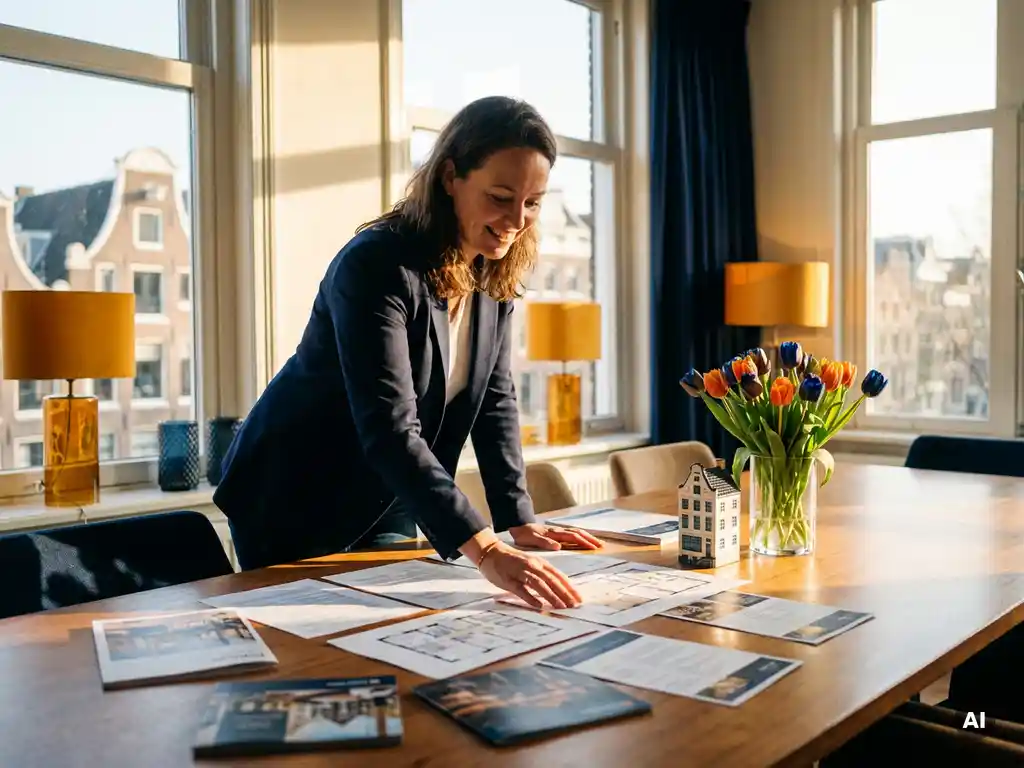
Negotiating hotel rates for a group event sounds straightforward until you are sitting across from a hotel sales manager who has done this hundreds of times and you have not. The Dutch hotel market is competitive, particularly in cities like Amsterdam, Rotterdam, and The Hague, where demand from international conferences, diplomatic gatherings, and corporate events keeps occupancy consistently high. Getting the best deal requires preparation, timing, and knowing exactly what to ask for. This guide walks you through every step of the process so you can secure favorable terms and protect your event budget.
What to prepare before contacting hotels
Before you reach out to a single hotel, gather everything that defines your event. Hotels respond to concrete numbers and clear requirements. Vague inquiries get vague offers. The more specific your brief, the more seriously a hotel sales team will take your request and the stronger your negotiating position will be from the first conversation.
Prepare the following before making any contact:
- Estimated number of room nights across your event dates
- Meeting and event space requirements, including room sizes and setup preferences
- Food and beverage expectations, from coffee breaks to gala dinners
- Any ancillary needs such as AV equipment, shuttle services, or VIP arrangements
Having this information ready signals to the hotel that you are a serious buyer with real purchasing power. It also prevents you from accepting a rate offer before you fully understand your own needs, which is one of the most common mistakes group planners make.
Research the Dutch hotel market for your dates
Understand what is happening in the Dutch hotel market during your target dates before you commit to anything. The Netherlands hosts a dense calendar of international events throughout the year, and dates that overlap with major trade fairs, sporting events, or political summits will push hotel availability down and rates up significantly.
Check whether your preferred dates align with events at venues like the RAI Amsterdam, Ahoy Rotterdam, or the World Forum in The Hague. Look at public holiday periods and school vacation windows, which affect both leisure demand and corporate travel patterns. If your dates are flexible, even shifting by a few days can open up better availability and more room to negotiate.
Also research the hotel tier you are targeting. Four- and five-star properties in Amsterdam city center will have different rate floors and flexibility thresholds than business hotels near Schiphol or boutique properties in Maastricht. Knowing the typical rate range for your category in your destination gives you a realistic benchmark so you can recognize a genuinely competitive offer when you see one.
Build your RFP to maximize negotiating power
A well-structured Request for Proposal is your single most powerful tool in hotel negotiations. Think of it as your opening statement. It tells the hotel what you need, demonstrates your professionalism, and invites competitive responses that you can use as leverage.
Build your RFP to include:
- Total room block size with a realistic pickup commitment percentage
- A clear event schedule covering arrival, departure, and all program days
- Specific meeting room requirements with preferred setup styles
- Food and beverage minimums you are prepared to commit to
Send your RFP to at least three or four properties simultaneously. This creates genuine competition and gives you a basis for comparison. When hotels know they are competing for your business, they are far more likely to sharpen their pencils on rate and add value through complimentary upgrades or concessions. Always set a clear response deadline in your RFP, typically five to seven business days, to keep the process moving and signal that you are ready to make a decision.
Negotiate beyond the room rate
Most planners focus exclusively on the nightly room rate, but experienced negotiators know that the total value of a hotel contract extends well beyond that single number. Once a hotel has indicated interest in your business, use that momentum to negotiate the full package.
Start with the room rate, but then move to the broader contract. Ask for a reduced or waived meeting room rental fee in exchange for committing to a minimum food and beverage spend. Request complimentary upgrades for VIP attendees or your event organizer. Negotiate a favorable attrition clause, which defines how many rooms you can release without penalty if your pickup falls short of the block. In the Netherlands, standard attrition requirements typically sit between 80 and 90 percent of the contracted block, but this is negotiable, especially outside peak periods.
Other concessions worth pursuing include complimentary parking, reduced audiovisual rates, a dedicated event coordinator from the hotel team, and flexible cancellation terms. Each of these has real financial value and reduces operational risk. When you negotiate them together rather than one at a time, you give the hotel room to say yes to some while holding firm on others, which often results in a better overall outcome than fighting over the room rate alone.
Review and finalize the group contract
Once you have reached a verbal agreement, the hotel will send a formal group contract. Do not treat this as a formality. The contract is where the details that protect you or expose you are written in binding language, and it deserves careful review before you sign.
Work through the contract systematically:
- Confirm that every rate, concession, and complimentary item agreed verbally is reflected in writing
- Review the attrition clause carefully, including the calculation method and the penalty structure for shortfall
- Check the cancellation policy for each phase leading up to your event dates
- Verify the force majeure clause and what circumstances allow either party to exit without penalty
Pay particular attention to the cutoff date, which is the deadline by which guests must book within your room block to receive the negotiated rate. If the cutoff is too early, you risk guests booking outside the block and your pickup numbers falling short of your attrition commitment. Negotiate the cutoff to sit as close to the event dates as the hotel will allow. Once you are satisfied that the contract accurately reflects your agreement and that your risk is appropriately limited, sign and distribute copies to all relevant stakeholders.
How GO DMC helps with hotel rate negotiation
Negotiating hotel contracts in the Netherlands is significantly easier when you have established relationships with the properties you are targeting and a clear understanding of what each market will accept. That is exactly where we come in.
At GO DMC, our destination management services include end-to-end hotel sourcing and negotiation across Amsterdam, Rotterdam, The Hague, Utrecht, Maastricht, and beyond. Here is what we bring to the table:
- Long-standing partnerships with hotels across the Netherlands that give us access to preferred rates and priority availability
- Local market knowledge to identify the right properties for your event profile and budget
- Full RFP management and competitive bidding on your behalf
- Contract review and attrition risk assessment to protect your organization
With more than 35 years of experience delivering seamless events across the Netherlands, we handle the complexity so you can focus on the event itself. Ready to get started? Reach out to our team and let us put our network to work for your next group event.