
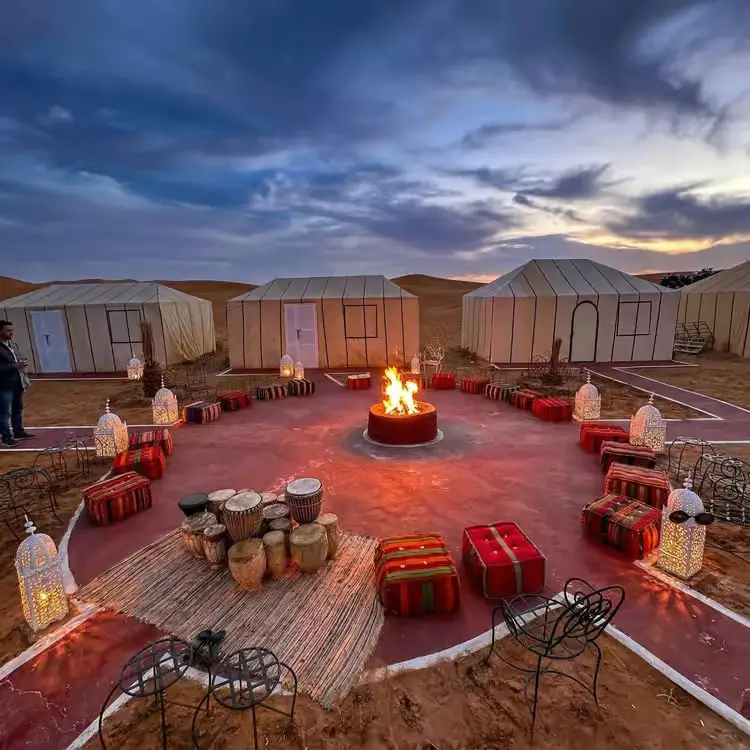
A unique event experience combines thoughtful personalisation, sensory engagement, and unexpected elements that create lasting emotional connections. The most memorable events go beyond standard logistics to craft moments that surprise guests, encourage meaningful interactions, and appeal to all five senses. Creating this level of impact requires careful attention to atmosphere, authentic personal touches, and strategic surprise elements that exceed expectations.
What makes an event experience truly unique and memorable?
A truly unique event experience stands out through emotional resonance and personal connection rather than just impressive logistics. The most memorable events create moments where guests feel genuinely engaged, surprised, and valued as individuals.
The foundation lies in understanding your audience deeply and designing every element around their interests, preferences, and expectations. This means moving beyond generic corporate templates to create experiences that reflect the specific culture, values, and goals of your attendees.
Atmosphere plays a huge role in differentiation. Unique events often feature unexpected venue choices, creative lighting design, or innovative spatial layouts that immediately signal something special is happening. The physical environment should tell a story and support the event’s core message.
Personal touches make the biggest impact. This might include customised welcome gifts, individually tailored content tracks, or recognition moments that celebrate specific achievements. When guests feel seen and acknowledged as individuals, the experience becomes memorable.
Emotional connection strategies involve creating shared experiences that bring people together. Interactive elements, collaborative activities, and moments of genuine surprise help forge connections between attendees and with your brand or message.
How do you create meaningful connections between guests at events?
Strategic environment design and facilitated interactions help guests connect naturally rather than through forced networking activities. The most effective approach combines physical space planning with structured opportunities for authentic relationship building.
Start with the physical environment. Create intimate conversation areas with comfortable seating arrangements that encourage small group discussions. Avoid large, intimidating spaces where people feel lost or overwhelmed. Design clear pathways that naturally bring people together at key interaction points.
Shared experiences work better than traditional networking sessions. Consider collaborative workshops, team challenges, or interactive demonstrations where guests work together towards common goals. These activities provide natural conversation starters and shared reference points.
Interactive activities should feel purposeful rather than contrived. Cooking classes, creative workshops, or problem-solving exercises give people something meaningful to discuss beyond small talk. The activity becomes a catalyst for deeper conversations.
Technology can facilitate connections when used thoughtfully. Event apps with attendee profiles, shared interest matching, or collaborative digital walls help people identify common ground before face-to-face interactions.
Timing matters significantly. Plan connection opportunities throughout the event rather than cramming networking into one session. Natural breaks, shared meals, and transition periods often provide the best opportunities for authentic relationship building.
What role does personalisation play in event experiences?
Personalisation transforms generic events into relevant, engaging experiences that speak directly to individual attendee needs and interests. Effective customisation goes beyond name badges to create genuinely tailored content and experiences.
Understanding attendee preferences begins with thoughtful pre-event research. Surveys, registration questions, and previous interaction data help identify interests, experience levels, and specific goals. This information guides content curation, activity selection, and even menu planning.
Tailored content delivery means offering multiple tracks, breakout sessions, or experience levels that allow guests to choose their own journey. Rather than one-size-fits-all presentations, provide options that match different expertise levels, industry focuses, or learning styles.
Personalised welcome experiences set the tone immediately. Custom welcome messages, individually selected gifts, or personalised itineraries show attention to detail and genuine care for each guest’s experience.
Individual recognition approaches acknowledge specific achievements, milestones, or contributions. This might include spotlight moments, customised awards, or personalised thank-you notes that reference specific accomplishments or relationships.
The goal is making each attendee feel like the event was designed specifically for them, even within a group setting. This level of personalisation creates stronger emotional connections and more memorable experiences.
How do you design an event atmosphere that engages all the senses?
Multi-sensory design creates immersive experiences that engage guests on multiple levels simultaneously. The most impactful events carefully orchestrate visual, auditory, tactile, olfactory, and taste elements to support the overall theme and message.
Visual elements form the foundation of sensory design. Lighting sets mood and guides attention, while colour schemes reinforce themes and evoke specific emotions. Consider dynamic lighting that changes throughout the event, projection mapping, or unexpected visual surprises that create memorable moments.
Sound design goes beyond background music to include ambient soundscapes, strategic silence, and acoustic considerations. The right audio elements can transport guests to different environments, create energy shifts, or provide subtle emotional cues that enhance the overall experience.
Scent marketing uses carefully selected fragrances to create atmosphere and trigger emotional responses. Subtle scenting can make spaces feel more welcoming, reinforce brand associations, or even improve perceived food quality during dining experiences.
Tactile experiences involve texture, temperature, and physical interaction opportunities. This might include interactive displays, textured materials in décor, or hands-on activities that engage guests physically with your content or message.
Taste considerations extend beyond catering to include thoughtfully selected flavours that complement the event theme, surprise taste experiences, or interactive culinary elements that become conversation starters and memorable moments.
What are the most effective ways to surprise and delight event guests?
Unexpected positive experiences and thoughtful surprises create the moments guests remember and share long after the event ends. The most effective surprises feel authentic and relevant rather than gimmicky or disconnected from the event purpose.
Surprise performances work well when they align with your audience and theme. This might include unexpected musical interludes, surprise guest speakers, or interactive entertainment that appears organically during the event flow rather than as obvious scheduled items.
Unique venue features can provide natural surprise elements. Consider unusual locations, hidden spaces within familiar venues, or creative transformations of ordinary spaces into extraordinary environments that guests discover throughout the event.
Innovative technology integration surprises when it enhances rather than dominates the experience. Augmented reality elements, interactive digital installations, or creative use of familiar technology in unexpected ways can create delightful moments of discovery.
Memorable takeaways go beyond standard branded items to include personalised gifts, experience-based rewards, or items that connect directly to event content or shared experiences. The best takeaways continue the event experience beyond the actual event.
Timing surprises throughout the event maintains energy and engagement. Rather than front-loading all special elements, distribute unexpected moments across the entire experience to create sustained excitement and anticipation.
How DMC GO creates unforgettable event experiences
We specialise in transforming standard corporate gatherings into unique experiences that genuinely engage and inspire your guests. Our approach combines deep local knowledge with international expertise to create events that exceed expectations while achieving your specific objectives.
Our comprehensive approach includes:
- Personalised event design that reflects your company culture and guest preferences
- Multi-sensory atmosphere creation using the Netherlands’ unique venues and local elements
- Strategic surprise integration that feels authentic and purposeful
- Facilitated networking opportunities that encourage genuine connections
- Cultural experiences that showcase the Netherlands’ distinctive character
- Seamless logistics management that allows you to focus on your guests
Whether you’re planning an executive retreat in Amsterdam, an incentive programme in Maastricht, or a conference in The Hague, we handle every detail while ensuring your event creates the lasting impact you want. Our three specialised divisions – GO Corporate, GO Incentive, and GO Sports – bring focused expertise to your specific event type and objectives.
Ready to create an unforgettable event experience? Contact us to discuss how we can transform your vision into reality with our proven approach to unique event creation.