
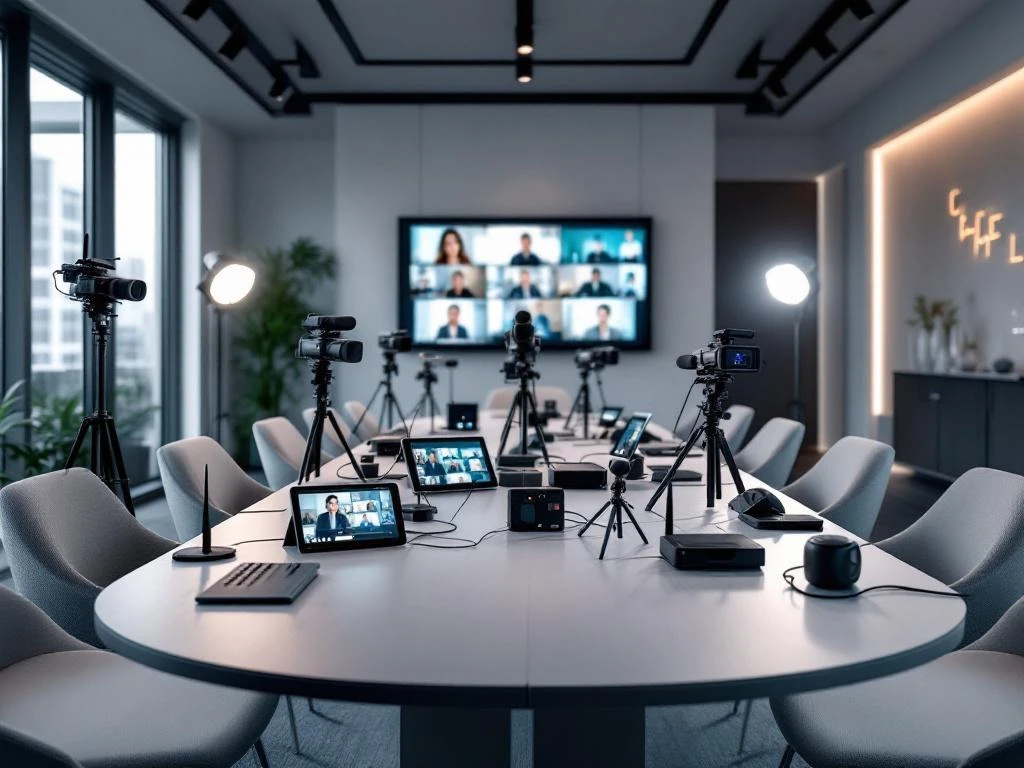
Hybrid corporate event technology combines video streaming platforms, audio-visual equipment, and engagement tools to connect in-person and remote attendees simultaneously. You need reliable streaming software, professional cameras and microphones, stable internet, and interactive features to create seamless experiences. The right tech setup ensures both audiences feel equally engaged and can participate meaningfully in your event.
What exactly is a hybrid corporate event and why does technology matter?
A hybrid corporate event brings together both in-person and virtual attendees in a single experience. Technology serves as the bridge that connects these two audiences, allowing remote participants to engage with live presentations, networking sessions, and interactive elements just like those physically present.
Without proper hybrid corporate event technology, you create two separate experiences rather than one unified event. Remote attendees might feel disconnected or struggle to participate fully, while in-person guests may not benefit from the broader reach that virtual participation provides.
The technology setup directly impacts participant satisfaction and event outcomes. Poor audio quality frustrates both audiences, unreliable streaming loses virtual attendees, and a lack of interactive features reduces engagement. When technology works smoothly, it becomes invisible, allowing content and connections to take center stage.
What are the most important technology components for hybrid events?
The backbone of successful hybrid events relies on four fundamental technology components: streaming platforms, audio-visual equipment, robust internet infrastructure, and participant engagement tools. Each component must work together seamlessly to deliver a unified experience.
Your virtual event platform handles the core streaming and interaction features. Popular options include Zoom Events, Microsoft Teams, Webex Events, and specialized platforms like Hopin or Remo. Choose platforms that support large audiences, offer breakout capabilities, and integrate with registration systems.
Audio-visual equipment captures and transmits your event content. You need professional cameras for clear video, directional microphones for crisp audio, and lighting equipment to ensure speakers look professional on camera. Don’t forget backup equipment for important events.
Internet infrastructure requires dedicated bandwidth for streaming without interruption. Plan for at least 10 Mbps upload speed per camera feed, plus additional capacity for attendee devices and venue operations. Always have backup internet connections available.
Engagement tools keep both audiences active and involved. This includes polling systems, chat moderation tools, Q&A platforms, and networking features that allow meaningful connections between in-person and remote participants.
How do you choose the right video platform for your hybrid event?
Select your video platform based on three key factors: audience size, required interaction features, and integration needs with existing event tools. Different platforms excel in different areas, so match capabilities to your specific event requirements rather than choosing based on popularity alone.
For large corporate conferences with 500+ attendees, consider enterprise platforms like Zoom Events, Webex Events, or Microsoft Teams Live Events. These handle high capacity while offering professional features like custom branding, advanced analytics, and technical support.
Interactive events requiring breakout sessions, networking, or workshops work well with platforms like Hopin, Remo, or Airmeet. These hybrid meeting tools specialize in engagement features that replicate in-person networking experiences virtually.
Budget considerations matter significantly. Basic Zoom or Teams subscriptions work for smaller events, while enterprise solutions require substantial investment. Factor in licensing costs, technical support fees, and any required integrations with registration or CRM systems.
Integration capabilities determine how smoothly your event runs. Choose platforms that connect with your registration system, marketing tools, and analytics platforms. This reduces manual work and provides better data insights post-event.
What audio and video equipment do you actually need?
Professional hybrid events require dedicated cameras, wireless microphone systems, and controlled lighting rather than built-in laptop equipment. The specific equipment depends on your venue size, audience expectations, and budget constraints, but certain basics apply to all successful setups.
Camera requirements scale with your venue and audience size. Small meeting rooms work with high-quality webcams like Logitech Rally or PTZ cameras for wider coverage. Larger venues need professional cameras with optical zoom capabilities to capture speakers clearly from a distance.
Audio equipment makes the biggest difference in attendee experience. Wireless lapel microphones ensure speakers move freely while maintaining clear sound. Add wireless handheld microphones for audience questions and backup options. Room microphones capture ambient sound and audience reactions.
Lighting significantly impacts video quality and speaker appearance. Natural window light works well but changes throughout the day. LED panel lights provide consistent, professional lighting that makes speakers look polished on camera. Avoid harsh overhead lighting that creates unflattering shadows.
Event streaming equipment also includes encoding hardware or software to manage video feeds, audio mixing boards for sound control, and reliable computers dedicated to streaming operations. Don’t use the same device for presentations and streaming to avoid technical conflicts.
How do you keep remote attendees engaged during hybrid events?
Maintain virtual participants’ attention through interactive features, regular engagement opportunities, and dedicated moderation that makes remote attendees feel included rather than passive observers. Successful engagement requires planning specific touchpoints throughout your event rather than hoping technology alone will solve participation challenges.
Interactive polling and Q&A sessions work particularly well for hybrid formats. Use tools like Mentimeter, Slido, or built-in platform features to gather real-time feedback from both audiences. Display results immediately to show remote participants that their input influences the event flow.
Chat moderation becomes important for managing virtual participation. Assign dedicated moderators to respond to remote attendee questions, facilitate networking conversations, and ensure virtual participants don’t feel ignored when in-person interactions dominate.
Breakout room capabilities allow smaller group discussions that mix in-person and remote attendees. This creates more intimate networking opportunities and prevents remote participants from feeling excluded from casual conversations that happen naturally at physical events.
Remote participation tools should include virtual networking features, document sharing capabilities, and ways for online attendees to connect with in-person participants. Consider virtual coffee chats, digital business card exchanges, and follow-up connection facilitation.
Regular check-ins with the virtual audience help maintain engagement. Have speakers acknowledge online participants, share screen content that’s visible to both audiences, and create moments specifically designed for remote interaction rather than treating virtual attendance as an afterthought.
How DMC GO helps with hybrid corporate event technology
We provide comprehensive digital event solutions that handle every aspect of hybrid event technology, from initial platform selection through live event support and post-event analytics. Our approach ensures seamless integration between in-person and virtual experiences while removing technical complexity from your team.
Our hybrid event technology services include:
- Platform evaluation and selection based on your specific audience and interaction requirements
- Professional audio-visual equipment sourcing and setup with backup systems
- Technical rehearsals and speaker training to ensure smooth event delivery
- Live event support with dedicated technical staff managing streaming and engagement tools
- Integration services connecting your registration, marketing, and analytics systems
- Post-event reporting and content delivery to maximize your investment
Ready to create a hybrid corporate event that engages both in-person and virtual attendees equally? Contact us to discuss your technology requirements and learn how we can deliver a seamless hybrid experience that achieves your event objectives.