
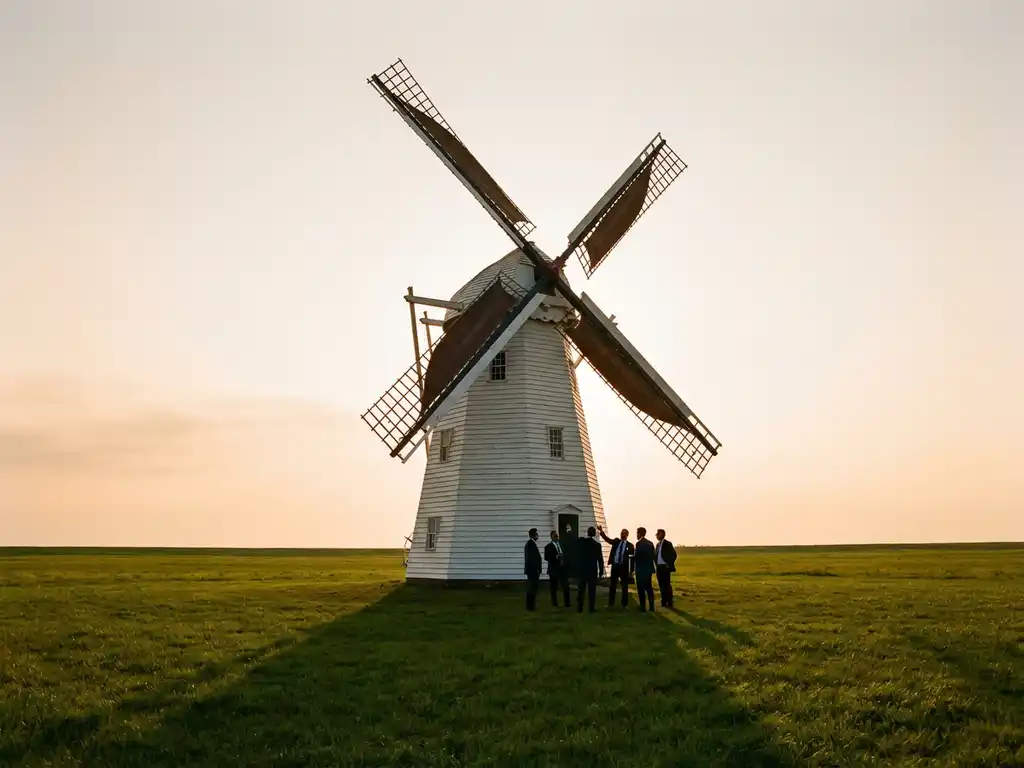
Planning a windmill experience for corporate groups combines authentic Dutch culture with unique team-building opportunities in historic settings. These experiences offer memorable backdrops for meetings, incentive programmes, and corporate events while showcasing the Netherlands’ cultural heritage. Success requires careful venue selection, activity planning, and logistical coordination to create engaging programmes that blend business objectives with cultural immersion.
What makes windmill experiences perfect for corporate groups?
Windmill venues provide corporate groups with authentic cultural experiences that create lasting memories while offering distinctive meeting environments. The historical significance and unique atmosphere of Dutch windmills naturally encourage team bonding through shared discovery of traditional craftsmanship and engineering marvels.
The peaceful, rural settings of most windmill locations promote focused discussions away from urban distractions. These venues inherently encourage collaboration as groups explore the fascinating mechanics of wind-powered machinery together. The novelty factor ensures high engagement levels, making corporate messages and team-building activities more memorable than traditional conference room settings.
International business groups particularly appreciate windmill experiences, as they provide genuine insights into Dutch heritage and innovation. The contrast between historical technology and modern business creates natural conversation starters and networking opportunities. Many windmill venues offer flexible spaces that accommodate both formal presentations and informal networking sessions.
Which types of windmill venues work best for corporate events?
Historic working mills offer the most authentic experience, with active grinding demonstrations and traditional miller presentations. Museum windmills provide controlled environments with educational facilities, while converted event spaces offer modern amenities within historic structures. Private estate windmills combine exclusivity with comprehensive event services.
Working mills, such as those at Zaanse Schans, accommodate groups of 20–50 people and include guided tours explaining traditional processes. Museum windmills, such as those in Kinderdijk, offer visitor centres with presentation facilities for larger groups of up to 100 people. These venues typically provide parking, catering facilities, and weather-protected spaces.
Converted windmill venues offer the most flexibility, featuring modern audio-visual equipment while maintaining historical character. Private estate windmills provide exclusive access and can accommodate various group sizes with customised catering and activity options. Consider venue capacity, accessibility requirements, and available facilities when selecting the most suitable option for your corporate group’s specific needs.
How do you plan activities around a windmill experience?
Successful windmill corporate activities combine educational demonstrations with interactive team challenges that utilise the unique setting. Traditional craft workshops, guided historical tours, and collaborative problem-solving activities work particularly well in windmill environments, creating engaging experiences that reinforce team dynamics.
Miller demonstrations showcasing grain-grinding processes provide fascinating educational content, while teams can participate in traditional Dutch crafts such as wooden shoe carving or cheese making. Treasure hunts that use windmill mechanisms as clues encourage exploration while building teamwork skills. Photography challenges that focus on capturing windmill details promote creative collaboration.
Interactive workshops might include bread-making using freshly ground flour or team challenges involving historical problem-solving scenarios. Evening programmes can feature traditional Dutch music and dancing on the windmill grounds. Consider seasonal activities such as tulip planting in spring or harvest celebrations in autumn to enhance the cultural authenticity of your windmill corporate experience.
What logistics should you consider for windmill corporate events?
Transportation planning requires careful coordination, as many windmill locations are in rural areas with limited access to public transport. Weather contingency plans are essential, since windmill experiences often involve outdoor elements. Technical equipment needs and catering logistics require advance planning due to venue limitations.
Coach transportation works best for larger groups, with parking arrangements confirmed in advance. Many windmill venues have limited electrical capacity, so audio-visual requirements need to be assessed beforehand. Catering options may be restricted to approved suppliers or may require temporary facilities, particularly for working mills with heritage protection requirements.
Accessibility considerations include uneven surfaces, narrow staircases, and limited access for people with reduced mobility in historic structures. Weather backup plans should include indoor alternatives or covered areas for activities. Timing coordination must account for operating hours, especially at working mills where grinding schedules affect availability. Consider seasonal daylight hours when planning outdoor activities and photography sessions.
How do you integrate Dutch culture into windmill corporate experiences?
Authentic Dutch cultural integration involves incorporating traditional foods, customs, and storytelling that complement the windmill setting. Local artisan demonstrations, regional specialities, and historical narratives create immersive experiences that educate while entertaining corporate groups about Dutch heritage and traditions.
Traditional Dutch cuisine featuring locally produced cheeses, fresh bread made with windmill-ground flour, and regional specialities such as stroopwafels enhances the authentic experience. Invite local artisans to demonstrate traditional crafts such as pottery, weaving, or wooden shoe making. Historical storytelling about the role of windmills in Dutch society provides cultural context.
Seasonal cultural elements add authenticity—spring tulip festivals, summer folk music, or autumn harvest celebrations. Traditional games such as sjoelen (Dutch shuffleboard) provide entertaining team activities. Consider incorporating Dutch business customs and etiquette discussions for international groups, using the windmill setting as a metaphor for Dutch innovation and environmental consciousness in modern business practices.
How DMC GO helps with windmill corporate experiences
We specialise in creating comprehensive windmill experiences for corporate groups throughout the Netherlands, combining our 35+ years of hospitality expertise with deep knowledge of Dutch cultural venues and traditions. Our approach ensures seamless coordination of all elements, from venue selection to cultural programming.
Our windmill corporate experience services include:
- Exclusive partnerships with premium windmill venues across the Netherlands
- Authentic cultural programming with local artisans and traditional demonstrations
- Complete logistics management, including transportation and catering coordination
- Weather contingency planning and alternative indoor activities
- Professional tour guides specialising in Dutch history and windmill operations
- Customised team-building activities designed for windmill settings
Ready to create an unforgettable windmill experience for your corporate group? Contact our team to discuss your requirements and discover how we can design a programme that combines authentic Dutch culture with your business objectives in these remarkable historic settings.
Related Articles
- How do you design an incentive travel itinerary that balances structured and free time?
- How do you handle conflicting schedules when planning executive team retreats?
- How do I manage on-site registration for walk-ins?
- What backup plans should I have for outdoor events?
- How to create memorable dining experiences on a budget?